
 English
 русский
 Português
 Français


 Read More

Product Category
NEW Category
Contact us
Contact Us
We specialise in the research, development and manufacture of electrical wires and cables.
 +86-21-57560276
Automatic Food Pasteurization System: Advanced Process Technology for Safe, Efficient, and High-Quality Production
Content
- 1 What Is an Automatic Food Pasteurization System?
- 2 Why Pasteurization Is Important for Modern Food Manufacturing
- 3 Core Advantages of an Automatic Food Pasteurization System
- 4 Flexible Heat Exchanger Selection for Different Products
- 5 Design Features That Create an Advantage Over Conventional Systems
- 6 Advanced Manufacturing Strengths
- 7 Process Automation and Control Architecture
- 8 Applications Across Food and Beverage Industries
- 9 Energy Recovery and Sustainable Production
- 10 Regulatory and Quality Considerations
- 11 Customization for Different Production Requirements
- 12 Installation, Commissioning, and Technical Support
- 13 Why Choose an Integrated Engineering Partner?
- 14 Comparison With Conventional Manual Pasteurization
- 15 Recommended Selection Process
- 16 Maintenance and Long-Term Reliability
- 17 Conclusion
- 18 Questions and Answers
- 18.1 What is the primary purpose of an automatic food pasteurization system?
- 18.2 Can pasteurization completely sterilize a food product?
- 18.3 How does the system help extend shelf life?
- 18.4 Which products can be processed?
- 18.5 How is the heat exchanger selected?
- 18.6 Does automation reduce product quality variation?
- 18.7 What is the benefit of heat recovery?
- 18.8 Why is CIP important?
- 18.9 Can the system connect to an existing factory control system?
- 18.10 What manufacturing advantages does Shiloc provide?
- 18.11 Which standards may apply to the equipment?
- 18.12 What information should be provided when requesting a quotation?
- 19 References
- 20 Product: Automatic Food Pasteurization System
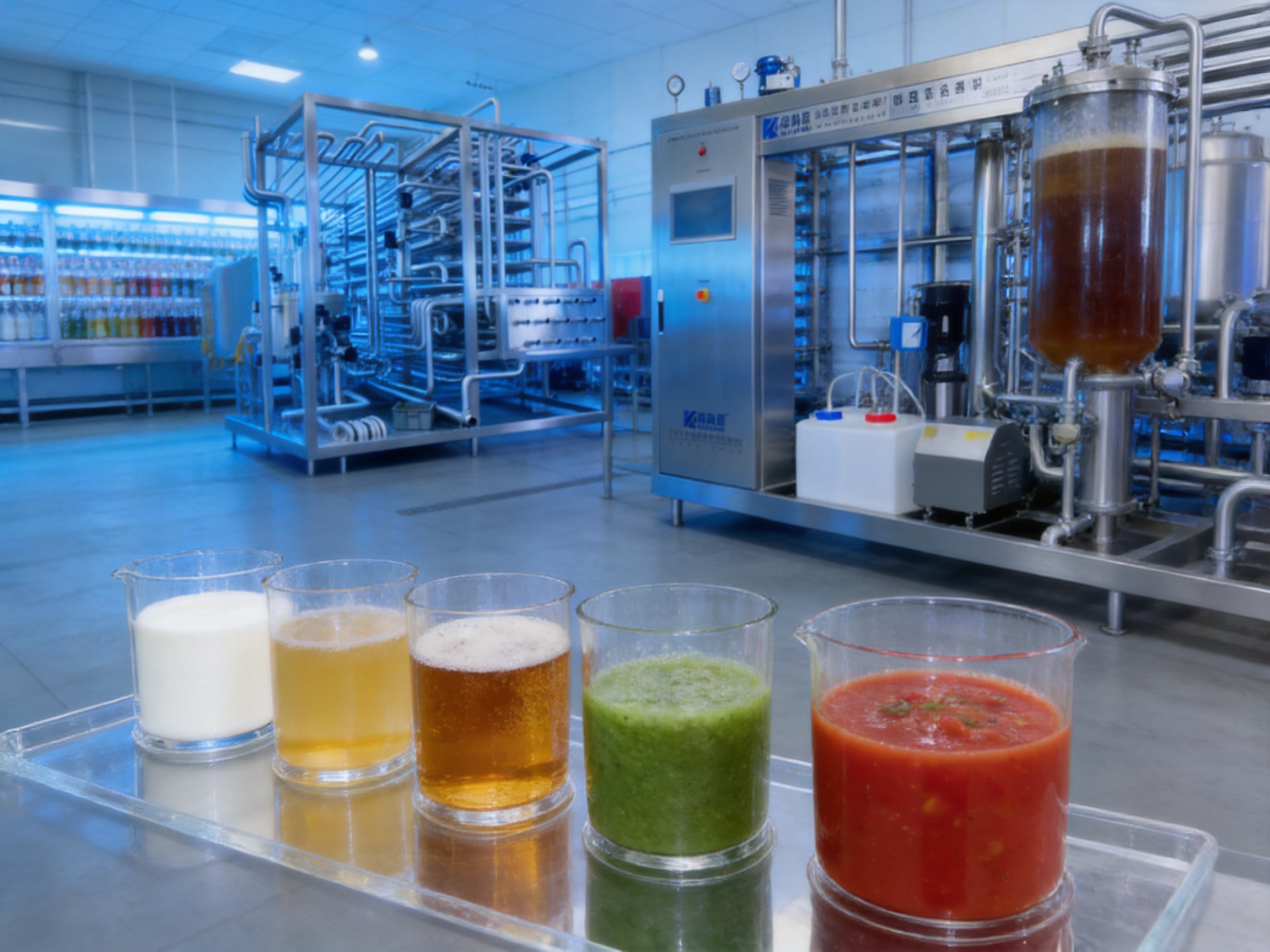
Food and beverage manufacturers are under constant pressure to deliver products that are safe, stable, attractive, and consistent. At the same time, consumers increasingly expect fresh flavor, natural color, appealing texture, and high nutritional value. These expectations create a significant processing challenge: microorganisms must be controlled effectively, but excessive heat can damage sensitive food components and reduce product quality.
An automatic food pasteurization system provides a controlled solution to this challenge. By combining precision heat treatment, rapid cooling, hygienic equipment design, process automation, efficient heat recovery, and automated cleaning, the system helps manufacturers achieve reliable microbial reduction while protecting the characteristics of the finished product.
Designed for applications including milk, yogurt, juice, beer, plant-based beverages, sauces, soups, liquid seasonings, and other heat-sensitive foods, an automatic food pasteurization system can be configured to meet different product viscosities, capacities, temperature requirements, and production objectives. It can also be integrated with existing production lines and factory control systems, allowing manufacturers to modernize their processes without completely rebuilding their facilities.
Shiloc (Shanghai) Industrial Trading Co., Ltd. provides integrated process equipment and engineering solutions for the food and beverage, biopharmaceutical, daily chemical, and fine chemical industries. Its approach combines European technical expertise, Danish design concepts, hygienic engineering, specialized manufacturing, and customized process development. The result is not simply an individual heating machine, but a complete and coordinated processing skid designed around product safety, efficiency, maintenance, and long-term production reliability.
What Is an Automatic Food Pasteurization System?
An automatic food pasteurization system is an integrated processing unit that heats a food or beverage product to a controlled temperature, maintains that temperature for a defined holding time, and then cools the product rapidly. The purpose is to reduce pathogenic microorganisms and spoilage organisms to an acceptable level without subjecting the product to unnecessary thermal stress.
Pasteurization is different from complete sterilization. A pasteurization process is normally designed to achieve a specific microbial reduction based on the product, target shelf life, packaging method, distribution conditions, and applicable regulations. The process may not eliminate every microorganism, but it substantially reduces organisms that could create a food safety risk or cause early spoilage.
A modern automatic system typically combines several functional modules:
- Product inlet and balance tanks
- Sanitary product pumps
- Plate, shell-and-tube, or other suitable heat exchangers
- Temperature sensors and transmitters
- Flow control valves
- Holding tubes
- Automatic diversion valves
- Cooling sections
- Steam, hot water, or thermal fluid circuits
- Programmable logic controller automation
- Human-machine interface panels
- Clean-in-place cleaning circuits
- Data recording and alarm systems
These components operate as one coordinated process. The control system monitors temperatures, flow rates, pressure, product routing, holding time, and cleaning conditions. If a critical parameter falls outside the approved range, the system can automatically divert or stop the product flow, preventing under-processed material from entering the filling or packaging stage.
This level of automation improves process repeatability and reduces dependence on manual intervention. It also provides manufacturers with better traceability, more reliable quality control, and greater confidence that every batch has received the required treatment.
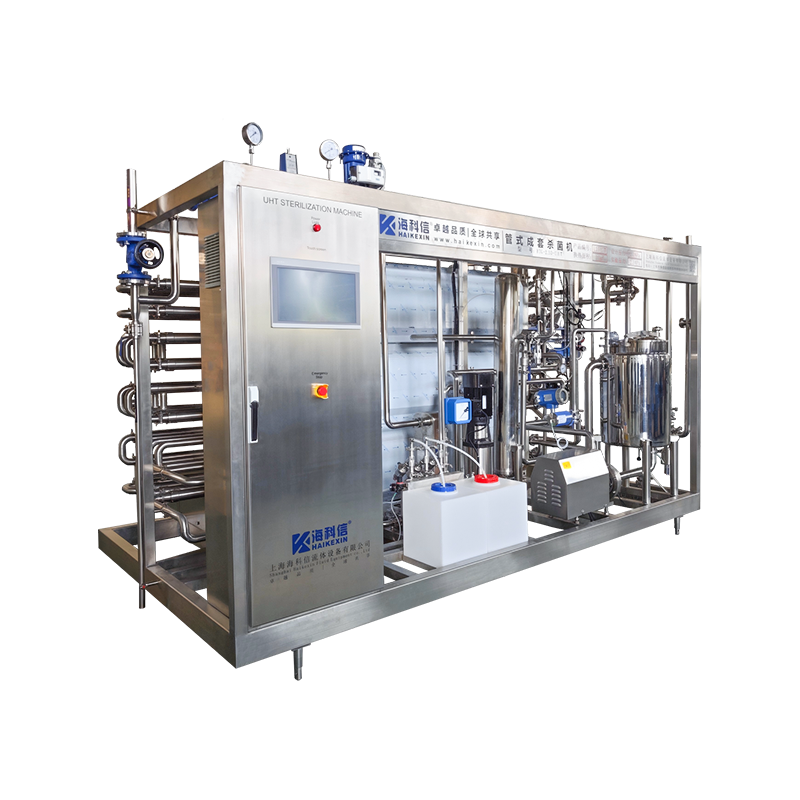
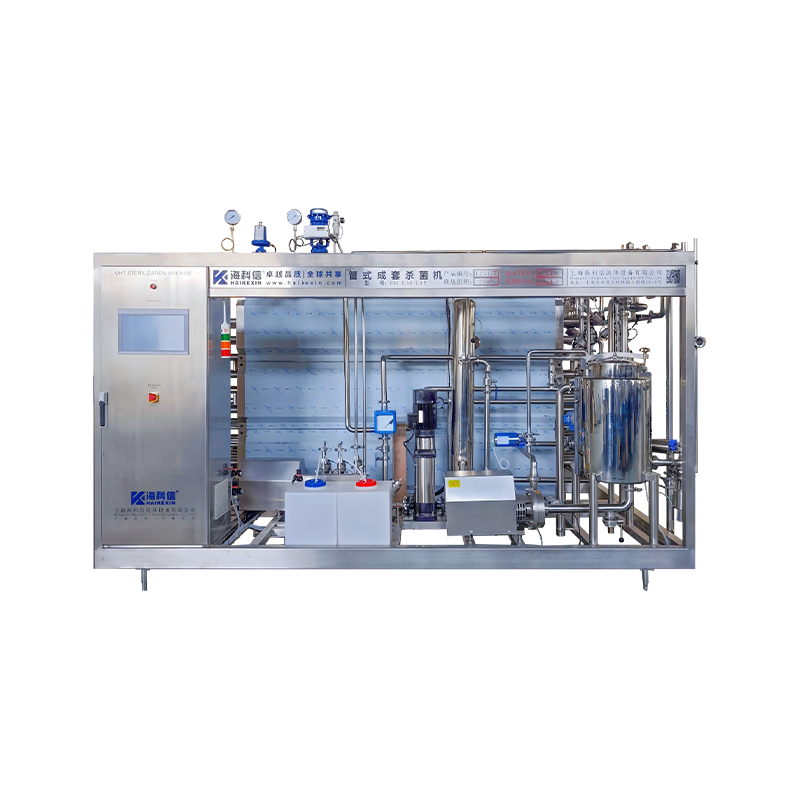
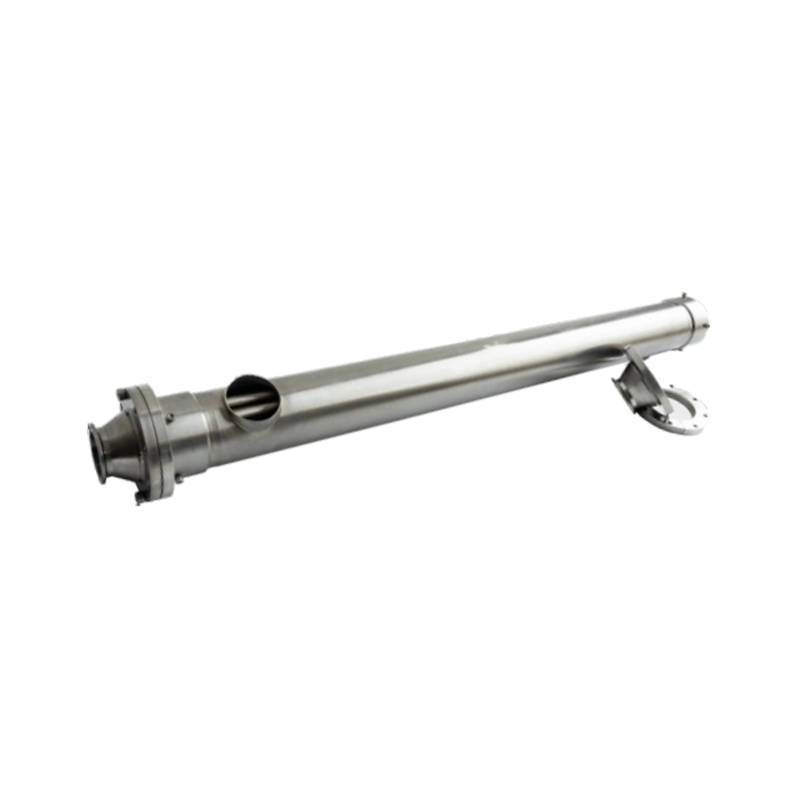
Automatic Food Pasteurization System
Why Pasteurization Is Important for Modern Food Manufacturing
Food products may contain microorganisms introduced through raw materials, agricultural environments, water, equipment, packaging, personnel, or transportation. Some microorganisms are harmless, while others may cause illness or spoilage. Even when pathogenic organisms are absent, yeasts, molds, and bacteria can reduce shelf life, produce unwanted gas, change flavor, and damage texture.
Pasteurization reduces the microbial population through carefully controlled thermal treatment. It also supports food quality by slowing some enzyme reactions that contribute to browning, flavor deterioration, color changes, separation, and texture loss.
For dairy products, pasteurization is essential for improving microbiological safety and supporting predictable processing. For juices and other beverages, it helps reduce spoilage organisms while preserving fresh taste and color. For liquid sauces, soups, and nutritional products, it provides a controlled method for increasing stability without relying solely on preservatives or severe heat treatment.
However, heat treatment must be carefully matched to the product. Excessive temperature or holding time can cause cooked flavors, protein denaturation, vitamin degradation, color changes, viscosity variation, or loss of volatile aromas. Insufficient treatment, on the other hand, may result in inadequate microbial reduction.
An automatic food pasteurization system addresses this balance by controlling the complete thermal profile rather than simply applying heat. The heating rate, holding time, cooling rate, flow pattern, and product routing can all be designed for the specific application.
Core Advantages of an Automatic Food Pasteurization System
Precise Temperature Control
Temperature precision is one of the most important factors in pasteurization. The process must reach the required target temperature and maintain it for the correct time. Even relatively small variations can affect product safety, quality, and shelf life.
Automatic systems use temperature sensors positioned at key points throughout the process. Signals are transmitted to the control system, which compares actual values with programmed set points. The system can then adjust steam valves, hot water flow, cooling water flow, pump speed, or product routing to maintain the desired conditions.
This closed-loop control is more reliable than manual heating methods. It helps prevent overheating, under-processing, and inconsistent results between batches. It also gives operators a clear view of process performance through the human-machine interface.
Consistent Holding Time
Temperature alone is not sufficient. The product must remain at the required temperature for an appropriate period. The holding tube and flow control system are designed to establish the required residence time under controlled operating conditions.
Accurate flow measurement and pump control help ensure that the product moves through the holding section at the correct speed. If the flow rate changes, the system can respond through automatic control or activate a safety sequence. This helps protect the validity of the pasteurization process during continuous production.
Rapid Cooling After Heat Treatment
After the required thermal treatment has been achieved, rapid cooling is important for protecting product quality. Fast cooling limits additional heat exposure and helps preserve flavor, color, nutrients, and texture.
The cooling section may use chilled water, glycol, or another suitable cooling medium. Heat exchanger design, flow arrangement, and temperature control are selected according to the product and final storage requirements.
Rapid cooling is particularly valuable for dairy products, juices, beer, plant-based beverages, and products containing heat-sensitive flavors or functional ingredients. It also helps the product reach the appropriate filling or downstream processing temperature efficiently.
Reduced Human Error
Manual operation creates opportunities for inconsistent temperature adjustment, incorrect valve positioning, inaccurate timing, and incomplete cleaning. Automation reduces these risks by controlling process steps according to programmed recipes and operating procedures.
Operators can select the appropriate product recipe, verify the required parameters, and monitor the process through a centralized interface. Access levels can be configured so that only authorized personnel can modify critical settings.
Reducing human error improves product consistency and can lower rejection rates. It also simplifies training because operators work with a structured and visual process sequence rather than relying entirely on manual judgment.
Improved Energy Efficiency
Pasteurization requires energy for heating and cooling, but an efficient system can recover a substantial portion of the thermal energy used during the process. In regenerative heat exchange, the hot pasteurized product transfers heat to the incoming cold product. The incoming product is preheated while the processed product is partially cooled.
This arrangement reduces the amount of external heating and cooling required. It can lower utility consumption, reduce operating costs, and decrease the thermal load on plant services.
Efficient heat recovery also reduces temperature fluctuations and helps create a smoother thermal profile. This supports both product quality and stable system operation.
Hygienic and Efficient Cleaning
Food processing equipment must be cleaned thoroughly and consistently. Product residues can accumulate in dead zones, poorly designed connections, rough welds, or difficult-to-access components. These residues may support microbial growth and compromise subsequent production batches.
An automatic pasteurization system uses hygienic construction, suitable internal surface finishes, sanitary valves, drainable pipework, and automated CIP sequences. Cleaning solutions circulate through the product-contact surfaces without requiring complete equipment disassembly for routine cleaning.
A typical CIP program may include pre-rinsing, alkaline cleaning, intermediate rinsing, acid cleaning, final rinsing, and sanitization, depending on the product and plant procedures. Flow velocity, temperature, concentration, and contact time can be monitored to support effective cleaning.
Better Traceability and Process Documentation
Modern food manufacturers need reliable records of critical process parameters. Automatic systems can record temperature, flow, pressure, product selection, alarm conditions, cleaning cycles, and operator actions.
These records support quality management, internal investigations, regulatory inspections, customer audits, and production optimization. Historical data can also help engineers identify recurring problems and improve equipment performance.
Flexible Heat Exchanger Selection for Different Products
There is no single heat exchanger design that is ideal for every food product. Product viscosity, particle size, solids content, fouling tendency, thermal sensitivity, required flow rate, and cleaning method all affect the selection.
Shiloc provides customized equipment configurations based on the characteristics of the material being processed. The two major options described for pasteurization applications are shell-and-tube heat exchangers and sleeve-type sterilizers or heat treatment units.
| Equipment Configuration | Suitable Products | Main Advantages | Important Design Considerations |
|---|---|---|---|
| Shell-and-tube heat exchanger | Milk, beverages, juice, liquid dairy products, and other low-viscosity materials | Efficient heat transfer, compact arrangement, stable continuous operation, and reduced energy consumption | Tube diameter, flow velocity, fouling tendency, product residence time, and cleaning requirements |
| Sleeve-type heat treatment unit | Ice cream mix, tomato sauce, viscous sauces, concentrated liquid foods, and other high-viscosity materials | Reduced product retention, lower risk of blockage, suitable flow path, and more uniform treatment of viscous products | Viscosity variation, product shear sensitivity, pressure drop, drainability, and access for maintenance |
| Plate heat exchanger | Low-viscosity dairy products, juices, beer, and beverages where compact heat recovery is required | High heat transfer efficiency, compact footprint, and flexible thermal configuration | Gasket compatibility, product fouling, pressure balance, and particle limitations |
For low-viscosity products, shell-and-tube or plate heat exchangers can provide high thermal efficiency and compact installation. For high-viscosity materials, a sleeve-type design may provide a more suitable flow path and reduce the likelihood of material retention or blockage.
The correct selection is determined through process analysis rather than by selecting the lowest initial equipment cost. A system that is well matched to the product can reduce energy use, product loss, cleaning time, maintenance requirements, and production interruptions over its operating life.
Design Features That Create an Advantage Over Conventional Systems
Integrated Skid-Based Construction
The automatic food pasteurization system can be supplied as an integrated process skid. Major components, instruments, valves, piping, control cabinets, and support structures are assembled and tested as a coordinated unit.
Skid-based construction offers several advantages over assembling unrelated components at the installation site. Factory assembly improves dimensional accuracy, reduces field welding, simplifies commissioning, and shortens installation time. It also allows the engineering team to test the interaction between mechanical, electrical, and control components before shipment.
A modular skid can be adapted to different production capacities and can be integrated with upstream tanks, downstream filling systems, packaging equipment, or existing factory utilities.
Compatibility With Existing Control Systems
Many food manufacturers already operate centralized supervisory control and data acquisition systems or plant-wide manufacturing execution platforms. Replacing these systems may be expensive and disruptive.
The pasteurization system can be designed to communicate with existing controls through suitable industrial communication methods and standardized signal interfaces. This enables operators to monitor the pasteurization process from the same control environment used for other production equipment.
Integration may include product recipe selection, start and stop commands, alarm transmission, batch identification, temperature recording, CIP status, and equipment availability. The precise interface is determined during project engineering.
Safety Interlocks and Automatic Product Diversion
Food safety depends on preventing improperly treated product from entering the finished product stream. Automatic interlocks can be configured to respond to deviations such as low temperature, excessive flow rate, insufficient holding time, abnormal pressure, pump failure, or sensor malfunction.
When a critical condition occurs, the system may divert the product back to the balance tank or another approved destination. It can also generate an alarm and require operator acknowledgment before returning to normal operation.
These safeguards are more dependable than relying on an operator to identify and respond to every process deviation manually.
Material Quality and Hygienic Construction
Product-contact surfaces are commonly manufactured from corrosion-resistant stainless steel suitable for food and hygienic processing applications. Material selection depends on the product, cleaning chemicals, operating temperature, pressure, and applicable standards.
Smooth internal surfaces reduce residue accumulation and make cleaning more effective. Sanitary welding and controlled polishing help reduce crevices and rough areas where product deposits could remain. Drainable pipe layouts reduce stagnant liquid and support more complete rinsing.
Valve selection is also important. Sanitary valves should provide reliable shutoff, appropriate flow control, and compatibility with the CIP process. Gaskets, seals, sight glasses, instruments, and connection designs must be selected as part of the complete hygienic system rather than treated as separate accessories.
Advanced Manufacturing Strengths
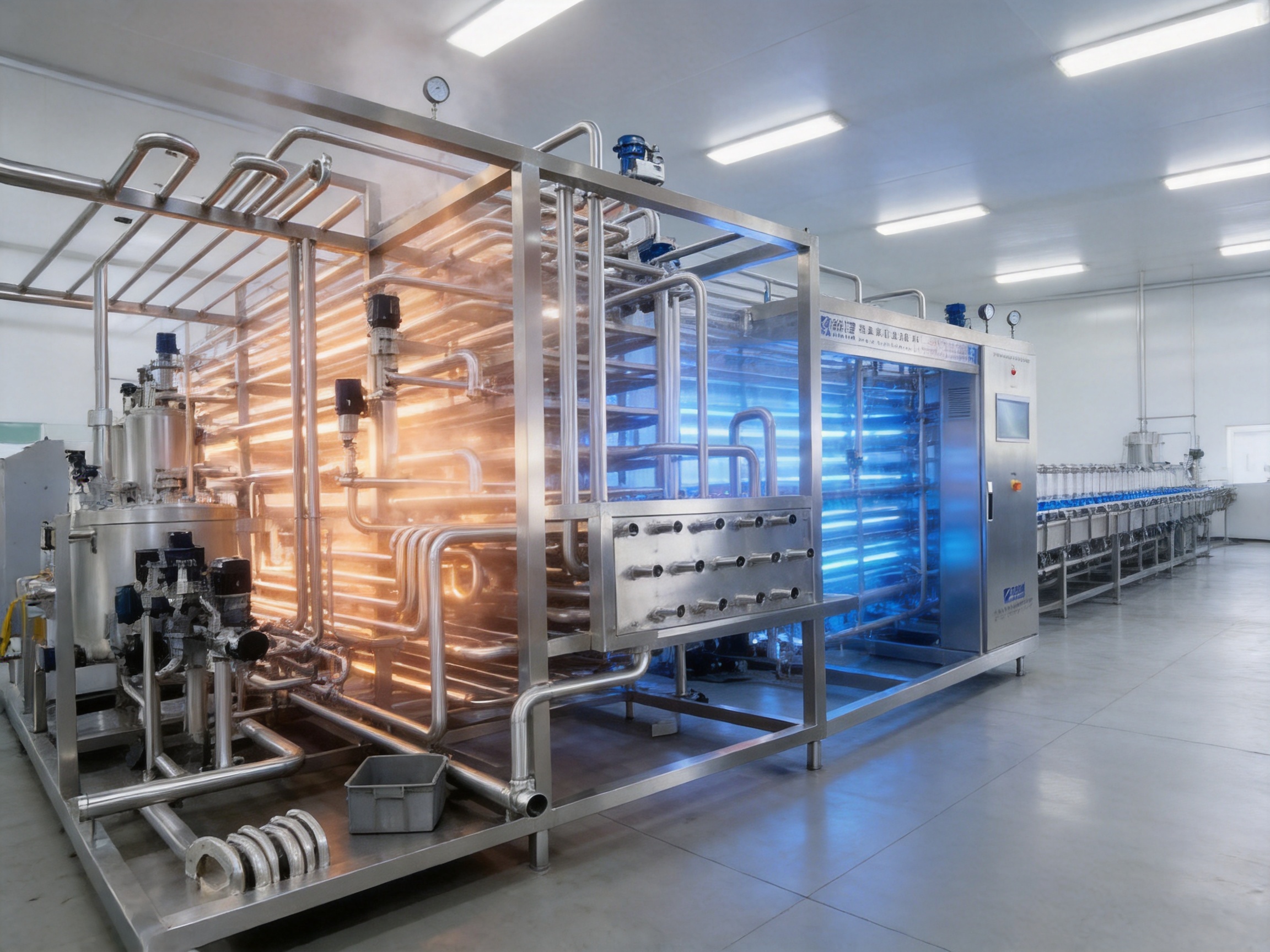
The performance of a pasteurization system depends not only on its process concept but also on the quality of manufacturing. Accurate fabrication, suitable materials, controlled welding, effective polishing, reliable assembly, and complete testing are essential for equipment used in hygienic production.
Shiloc (Shanghai) Industrial Trading Co., Ltd. operates a 3,000-square-meter manufacturing facility in Shanghai and has a technical team of more than 20 specialists. The company combines European know-how and Danish design concepts with local engineering, processing, welding, polishing, assembly, and quality control capabilities.
European Technical Expertise and Danish Design Concepts
European food and pharmaceutical equipment engineering has a long history of focusing on hygienic design, process stability, cleanability, and efficient use of utilities. Danish design concepts are particularly associated with practical engineering, functional layouts, reliable operation, and user-oriented equipment development.
Shiloc applies these principles to integrated process systems. Equipment is designed with attention to product flow, heat transfer, cleaning access, maintenance, safety, and future expansion. This design philosophy helps prevent the common problem of treating the heat exchanger, piping, automation, and cleaning system as unrelated packages.
Controlled Fabrication and Welding
Welding quality has a direct effect on hygienic performance. Poorly executed welds may create rough surfaces, crevices, discoloration, or areas that are difficult to clean. Controlled welding processes help provide smooth and consistent product-contact surfaces.
Manufacturing procedures should include appropriate preparation, alignment, welding parameters, inspection, and finishing. Welded areas can be polished and treated to support cleanability and corrosion resistance. The objective is not merely to create a mechanically strong joint, but to create a hygienic connection that remains reliable throughout repeated production and CIP cycles.
Polishing and Surface Treatment
Surface quality affects how easily product residues are removed. A properly finished surface reduces the opportunity for deposits to adhere and supports repeatable cleaning results.
In-house processing and polishing provide greater control over the final condition of equipment surfaces. They also improve traceability because the manufacturer can maintain records of processing steps and inspections within its own facility.
Material Traceability
Traceability is important for equipment used in food and biopharmaceutical applications. The manufacturer should be able to identify the materials used in major product-contact components and connect them with fabrication and inspection records.
Shiloc emphasizes the use of core materials sourced from Europe and maintains a quality management approach intended to support reliable supply and consistent documentation. Material records help customers verify equipment construction and support their own quality systems.
In-House Assembly and Quality Control
Factory assembly allows mechanical and control elements to be checked before shipment. Engineers can verify pipe routing, instrument placement, valve operation, cabinet wiring, control logic, and skid dimensions under controlled conditions.
Pre-delivery checks may include pressure testing, leak testing, instrument verification, valve testing, dry-run sequences, CIP circulation checks, and control system simulations. The exact inspection and acceptance procedures are agreed upon according to project requirements.
In-house assembly also gives the engineering team an opportunity to identify installation conflicts before the equipment reaches the customer’s plant. This can reduce site modifications, commissioning delays, and unexpected project costs.
Process Automation and Control Architecture
The automation system is the operating center of the pasteurization skid. It coordinates the process from product preparation through heating, holding, cooling, transfer, cleaning, and shutdown.
Programmable Logic Controller Control
A PLC can manage sequential operations and continuous process control. It receives signals from temperature sensors, pressure transmitters, flow meters, level instruments, valve position feedback devices, and other field components.
Based on programmed logic, the PLC controls pumps, valves, heating circuits, cooling circuits, and product diversion. It can also manage startup and shutdown procedures to reduce thermal shock, prevent dry running, and protect equipment.
Human-Machine Interface
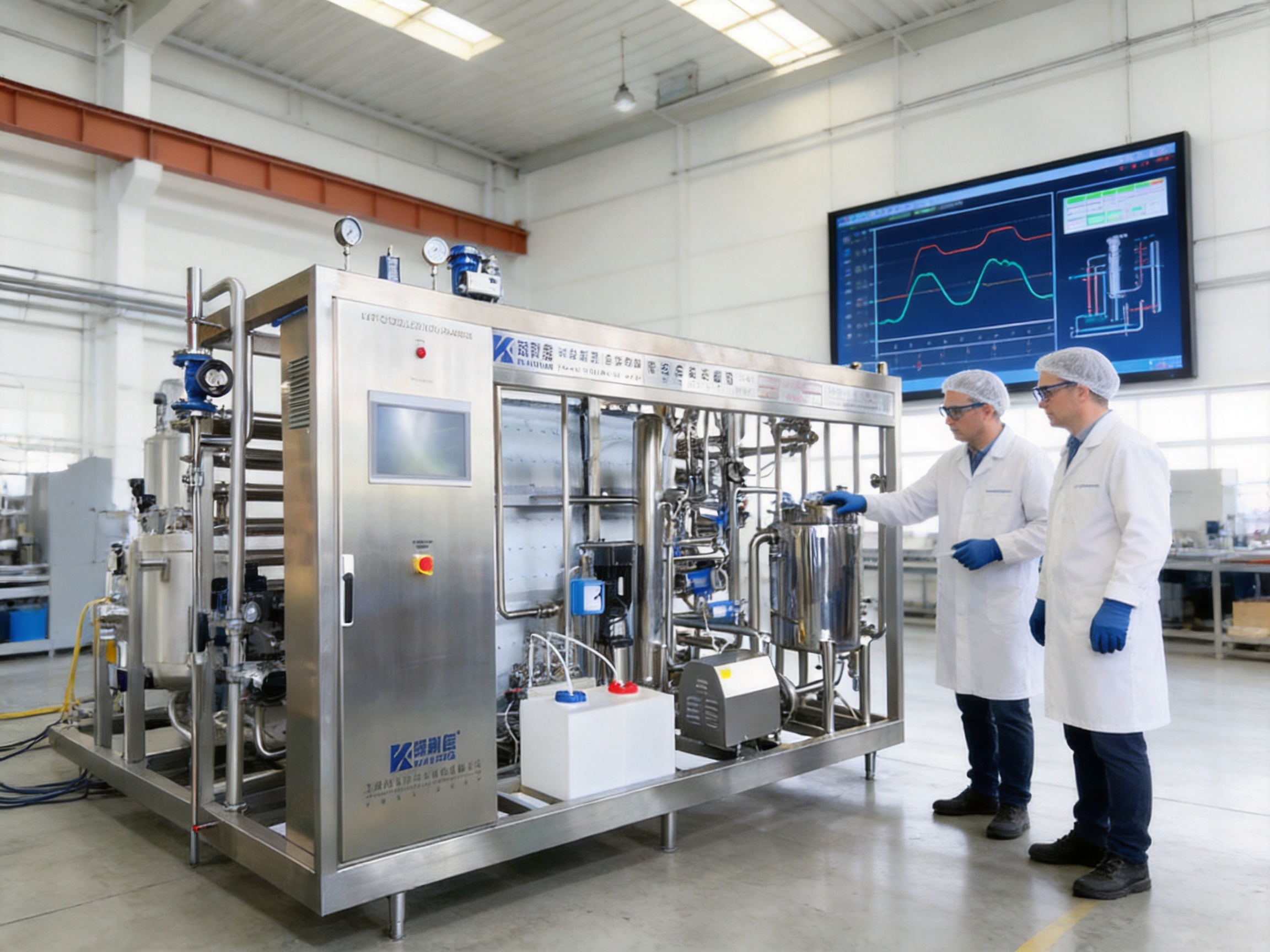
The operator interface displays operating values, process status, alarms, trends, recipes, and cleaning steps. A clear interface helps operators understand the condition of the system quickly and respond appropriately.
Important screens may include a process overview, temperature trend, flow monitoring, valve status, pump status, alarm history, CIP sequence, production report, and maintenance information.
Recipe Management
Different products may require different temperature profiles, flow rates, holding times, cooling targets, and cleaning programs. Recipe management allows authorized users to select approved settings for each product.
Recipe control reduces manual data entry and supports consistent production. It can also help separate recipes for low-viscosity beverages, dairy products, acidic juices, viscous sauces, and specialty formulations.
Alarm and Event Management
Alarm systems notify operators when a critical parameter is outside its acceptable range. Effective alarms should identify the affected parameter, provide a clear message, and guide the operator toward an appropriate response.
Event records can document system starts, stops, recipe changes, operator logins, alarms, acknowledgments, and process deviations. These records support accountability and troubleshooting.
Data Recording and Traceability
Continuous data recording helps demonstrate that the product received the intended treatment. Temperature, flow, pressure, holding conditions, and product routing can be associated with a specific batch or production period.
Recorded information supports process validation, quality release, customer requirements, and continuous improvement. It can also reveal gradual performance changes, such as reduced heat transfer efficiency caused by fouling or a pump operating outside its normal range.
Applications Across Food and Beverage Industries
Dairy Products
Milk, cream, yogurt base, flavored dairy beverages, and other dairy products require careful control of temperature and holding time. Pasteurization can reduce pathogenic microorganisms while helping maintain the desired protein structure, flavor, and nutritional profile.
Different dairy products may require different heat treatment conditions. A system designed for flexible operation can support several recipes while maintaining consistent product flow and hygienic cleaning.
Fruit and Vegetable Juices
Juices and vegetable beverages often contain heat-sensitive flavors, colors, vitamins, and volatile compounds. Excessive heating can produce a cooked flavor or reduce the fresh sensory characteristics that consumers expect.
Efficient heat exchange, accurate temperature control, and rapid cooling help reduce unnecessary heat exposure. The equipment can be configured to support products with different acidity, pulp content, and viscosity.
Beer and Other Beverages
Beer, tea drinks, coffee beverages, sports drinks, and plant-based beverages may benefit from pasteurization or related controlled heat treatment. The system must be designed to minimize foaming, oxidation risks, flavor changes, and pressure instability.
Heat recovery and automation can support continuous beverage production while reducing energy use. Product-contact materials and cleaning procedures must be compatible with the beverage formulation and the required sanitation program.
Sauces, Ketchup, and Dressings
Condiments often vary significantly in viscosity and may contain suspended solids, oils, emulsified ingredients, or particulates. These characteristics affect heat transfer, pumping, cleaning, and the risk of product retention.
A sleeve-type or specially configured heat treatment unit may provide a more suitable solution for high-viscosity materials. The system can be designed to reduce dead zones, support uniform treatment, and allow efficient cleaning between recipes.
Soups, Broths, and Liquid Seasonings
Liquid foods may contain proteins, starches, vegetables, herbs, or other ingredients that influence viscosity and fouling behavior. The process system must accommodate the specific formula and avoid excessive shear or localized overheating.
Proper equipment sizing and heat exchanger selection help maintain consistent treatment throughout the product stream. Hygienic design is especially important when the product contains nutrients that can support microbial growth.
Functional and Nutritional Products
Functional beverages and nutritional products may contain vitamins, proteins, minerals, botanical extracts, or other sensitive ingredients. Pasteurization must be designed to balance microbial safety with the stability of these components.
Precise control, rapid cooling, and recipe-based operation help manufacturers produce stable products without applying more heat than necessary.
Energy Recovery and Sustainable Production
Sustainability has become an important factor in food processing equipment selection. Manufacturers are seeking ways to reduce energy consumption, water use, product waste, and production downtime without compromising safety.
The automatic food pasteurization system supports these goals through regenerative heat exchange. Heat from the treated product can be transferred to the incoming product, reducing the demand for steam or hot water. The same principle can reduce the load on the cooling system.
Automation also reduces waste by improving process stability. Product that is under-processed, overheated, or routed incorrectly may need to be discarded. Accurate control reduces the likelihood of these events.
Efficient CIP design can reduce water and chemical use. By controlling cleaning time, temperature, concentration, and flow, the system can avoid excessive cleaning cycles while maintaining hygienic conditions. The actual cleaning program should be validated for each product and plant environment.
Modular construction supports future expansion. Manufacturers can add capacity, tanks, product circuits, or automation functions as production requirements change, rather than replacing the entire processing system.
Regulatory and Quality Considerations
Food processing equipment must be designed and manufactured according to applicable hygiene, safety, and pressure requirements. The final standards depend on the product, customer location, process conditions, and regulatory jurisdiction.
Shiloc identifies ASME, PMO, and 3-A requirements among the standards and references considered for relevant equipment applications. These requirements may relate to pressure vessel construction, dairy processing, sanitary design, welding, materials, inspection, and documentation.
Standards compliance should be evaluated during the design stage. Important questions include:
- Which product-contact materials are permitted?
- What pressure and temperature ratings are required?
- How will the equipment be drained and cleaned?
- What documentation is required for materials and welds?
- How will instruments be calibrated?
- What data must be recorded for process release?
- What acceptance tests are required before shipment?
- How will the system integrate with the customer’s quality management procedures?
Compliance is not only a documentation exercise. It should influence equipment geometry, surface finish, component selection, control logic, inspection, and commissioning. A system designed around these requirements from the beginning is more likely to achieve smooth validation and reliable operation.
Customization for Different Production Requirements
Food manufacturers differ in production capacity, product range, available utilities, factory layout, cleaning procedures, automation architecture, and future expansion plans. A standard machine may not provide the best result for every application.
Customization may include:
- Heating and cooling capacity
- Product flow rate
- Number of product recipes
- Holding tube length
- Heat exchanger type
- Product viscosity range
- Particle or pulp tolerance
- Steam, hot water, or electrical heating source
- Cooling medium and temperature
- CIP circuit design
- Control cabinet configuration
- Data recording requirements
- Factory communication interfaces
- Skid dimensions and connection positions
- Expansion provisions
Shiloc’s engineering approach begins with an analysis of the material and the customer’s process objectives. Product composition, viscosity, flow behavior, thermal sensitivity, fouling tendency, required shelf life, packaging method, and production schedule are considered before the system configuration is finalized.
This material-adaptive approach is particularly valuable for manufacturers that process several product categories on the same production line. A system that can accommodate different products while maintaining reliable cleaning and recipe control can improve equipment utilization.
Installation, Commissioning, and Technical Support
A pasteurization system should be evaluated as a complete project rather than only as a delivered machine. Installation, commissioning, operator training, validation support, spare parts, and technical communication all influence long-term performance.
Skid-based construction simplifies installation because major assemblies are prepared before shipment. Site work normally focuses on positioning, utility connections, product connections, electrical connections, drainage, and communication with the plant control system.
During commissioning, engineers can verify:
- Correct equipment installation
- Utility pressure and temperature
- Product flow direction
- Instrument signals
- Valve movement and feedback
- Pump rotation and performance
- Temperature control response
- Holding time
- Automatic diversion logic
- CIP circulation
- Alarm and interlock functions
- Data recording
Operator training should cover normal operation, product changeover, cleaning, alarm response, basic troubleshooting, safety procedures, and routine maintenance. Clear documentation helps plant personnel use the system correctly and reduces avoidable downtime.
Shiloc provides international trade, engineering, and technical services in addition to equipment manufacturing. This broader service capability can be valuable for customers purchasing equipment across national borders or integrating the system into a larger engineering project.
Why Choose an Integrated Engineering Partner?
Purchasing a heat exchanger from one supplier, pumps from another, control equipment from a third supplier, and cleaning components from a fourth supplier can create coordination problems. Responsibility for system performance may become unclear, and differences in design standards can complicate installation and commissioning.
An integrated engineering partner can coordinate process design, mechanical construction, automation, hygienic requirements, testing, documentation, and delivery. This reduces interface risk and makes it easier to identify the cause of a problem if performance does not meet expectations.
Shiloc’s capabilities cover equipment design, heat exchanger manufacturing, aseptic mixing equipment, processing, welding, polishing, quality control, international trade, and engineering services. This combination supports a more unified approach to food and beverage process projects.
The company was established in March 2026 in Fengxian District, Shanghai, and focuses on international trade, equipment manufacturing, import and export agency services, and engineering and technical services. Its facility, technical team, supply network, and quality management approach are intended to support customized solutions for food, beverage, biopharmaceutical, daily chemical, and fine chemical customers.
Comparison With Conventional Manual Pasteurization
Conventional manual heating may appear simple, but it often provides limited control over temperature uniformity, holding time, product routing, cleaning, and process documentation. Operators may need to monitor several instruments and adjust valves manually, creating opportunities for variation.
| Evaluation Area | Manual or Basic Heating Process | Automatic Pasteurization System |
|---|---|---|
| Temperature control | Dependent on manual adjustment and observation | Continuous monitoring with automatic adjustment |
| Holding time | May vary with flow and operator timing | Controlled through flow, holding tube, and automation |
| Product protection | Greater risk of overheating or uneven treatment | Defined heating and cooling profile |
| Energy use | Often limited heat recovery | Regenerative heat exchange can reduce utility consumption |
| Cleaning | May require extensive manual intervention | Automated CIP with controlled sequences |
| Traceability | Manual records or limited data | Automatic recording of critical process parameters |
| Production consistency | Highly dependent on operator experience | Repeatable recipes and automatic sequences |
| Expansion | Often difficult to integrate with advanced controls | Designed for plant integration and future upgrades |
The principal advantage of automation is not merely labor reduction. It is the ability to control the entire process with greater precision and repeatability. This directly supports food safety, product quality, operating efficiency, and production planning.
Recommended Selection Process
Manufacturers should collect detailed process information before selecting an automatic food pasteurization system. Important input data includes the product name, formulation, viscosity, solids content, particle size, acidity, thermal sensitivity, target flow rate, inlet temperature, pasteurization temperature, holding time, cooling target, and packaging method.
The manufacturer should also explain the current production challenges. These may include short shelf life, inconsistent product quality, high energy use, excessive cleaning time, product loss during changeover, frequent blockages, manual control problems, or limited production capacity.
Utility information is equally important. Steam pressure, hot water availability, cooling water temperature, glycol conditions, compressed air quality, electrical supply, drainage, and available floor space all influence the final design.
Future plans should also be considered. If production volume is expected to grow, the system can be designed with modular expansion, additional recipe capacity, larger connection sizes, or reserved control inputs. Planning for future needs may reduce the cost and disruption of later upgrades.
Maintenance and Long-Term Reliability
Reliable pasteurization depends on regular maintenance. Sensors should be calibrated, valves inspected, pumps checked, gaskets replaced when necessary, and heat exchanger performance monitored. A gradual increase in pressure drop or a decline in heat transfer efficiency may indicate fouling or component wear.
Preventive maintenance should be based on operating hours, product characteristics, CIP frequency, temperature cycles, and manufacturer recommendations. Spare parts for critical components should be identified in advance to reduce downtime.
The hygienic design of the system also supports maintainability. Accessible instruments, organized piping, clear component identification, drainable circuits, and modular assemblies make inspection and repair more efficient.
Because Shiloc performs processing, welding, polishing, assembly, and quality control in its own manufacturing environment, the company can maintain greater familiarity with the equipment configuration. This supports technical communication when customers require troubleshooting, modifications, or replacement components.
Conclusion
An automatic food pasteurization system is a complete process solution for manufacturers that need reliable microbial control, consistent quality, efficient production, and hygienic operation. It combines controlled heating, accurate holding, rapid cooling, automation, heat recovery, hygienic construction, and automated cleaning in one coordinated system.
Compared with conventional manual heating or basic equipment packages, an integrated automatic system offers stronger process repeatability, better energy performance, lower human error, improved traceability, and more reliable product protection. Its value is particularly clear when manufacturers process heat-sensitive products or operate multiple recipes with different viscosities and thermal requirements.
Equipment selection should be based on product characteristics, process objectives, capacity, cleaning requirements, control integration, regulatory expectations, maintenance access, and future expansion. Shell-and-tube, plate, sleeve-type, and other heat exchanger configurations can be selected according to the material and operating conditions.
Shiloc (Shanghai) Industrial Trading Co., Ltd. strengthens this equipment concept through integrated engineering and manufacturing capabilities. Its Shanghai facility, European material sourcing, Danish design influence, technical team, in-house fabrication, controlled welding, polishing, assembly, and quality management support the production of hygienic and reliable process equipment.
For food and beverage manufacturers seeking longer shelf life, stable product quality, lower utility consumption, and a more dependable production process, a customized automatic food pasteurization system can provide a strong foundation for safe and efficient manufacturing.
Questions and Answers
What is the primary purpose of an automatic food pasteurization system?
The primary purpose is to heat a food or beverage product to a controlled temperature, hold it for a defined period, and cool it rapidly in order to reduce harmful and spoilage microorganisms while preserving product quality.
Can pasteurization completely sterilize a food product?
Pasteurization is generally intended to achieve significant microbial reduction rather than complete sterilization. The required process depends on the product, packaging, distribution conditions, shelf-life target, and applicable regulations.
How does the system help extend shelf life?
It reduces pathogenic and spoilage microorganisms, slows certain enzyme reactions, limits secondary contamination through closed processing, and provides consistent thermal treatment. These effects can improve storage stability when combined with appropriate packaging and refrigeration.
Which products can be processed?
The system can be configured for milk, cream, yogurt base, juice, beer, tea drinks, coffee beverages, plant-based drinks, sauces, ketchup, dressings, soups, broths, liquid seasonings, nutritional products, and other liquid or semi-liquid foods.
How is the heat exchanger selected?
Selection is based on viscosity, solids content, particle size, flow rate, thermal sensitivity, fouling tendency, required temperature profile, cleaning method, and available utilities. Shell-and-tube or plate heat exchangers are often suitable for low-viscosity products, while sleeve-type configurations may be better for high-viscosity materials.
Does automation reduce product quality variation?
Yes. Automated temperature control, flow regulation, holding-time management, recipe control, and automatic cooling help maintain consistent process conditions. This reduces the risk of under-processing, overheating, and batch-to-batch variation.
What is the benefit of heat recovery?
Heat recovery transfers energy from the hot treated product to the incoming cold product. This reduces the amount of external heating and cooling required, lowering utility consumption and improving overall energy efficiency.
Why is CIP important?
CIP allows internal product-contact surfaces to be cleaned automatically using controlled cycles of water, cleaning chemicals, temperature, and flow. Effective CIP reduces residue accumulation, supports hygienic production, shortens manual cleaning work, and can reduce changeover downtime.
Can the system connect to an existing factory control system?
Yes. The automation architecture can be designed to exchange signals and data with existing plant controls. Integration may include start and stop commands, recipes, alarms, process values, cleaning status, and production records.
What manufacturing advantages does Shiloc provide?
Shiloc combines European technical expertise and Danish design concepts with a Shanghai manufacturing facility, technical specialists, European-sourced core materials, in-house processing, welding, polishing, assembly, and quality control. This supports equipment traceability, customized engineering, and coordinated project delivery.
Which standards may apply to the equipment?
Applicable requirements depend on the project and location. Relevant references may include ASME, PMO, and 3-A requirements, together with customer specifications, food safety regulations, pressure equipment rules, hygienic design requirements, and plant quality procedures.
What information should be provided when requesting a quotation?
Customers should provide product type, formulation, viscosity, solids content, flow rate, inlet and outlet temperatures, target pasteurization temperature, holding time, cooling requirements, available utilities, cleaning procedure, automation requirements, installation conditions, and applicable standards.
References
1. General principles of food hygiene and hygienic design for food processing equipment.
2. Principles of thermal processing, pasteurization, microbial reduction, and shelf-life management in food manufacturing.
3. Engineering practices for sanitary stainless-steel fabrication, hygienic welding, polishing, and process piping.
4. Good manufacturing practices for food and beverage processing facilities.
5. Principles of clean-in-place system design, validation, chemical circulation, and sanitation control.
6. ASME guidance for pressure equipment and hygienic process applications.
7. PMO requirements and dairy processing considerations.
8. 3-A sanitary standards and hygienic equipment design principles.
9. Industrial automation practices for PLC control, process monitoring, alarm management, and production data recording.
10. Heat exchanger engineering principles for food, beverage, biopharmaceutical, and other hygienic processing applications.
Product: Automatic Food Pasteurization System
PREV:Shell and Tube Heat Exchanger-Flange Type: Hygienic, Maintainable Process Heat Transfer for Food and Biopharmaceutical Manufacturing
NEXT:Intelligent Industrial Heat Exchanger Units for Food and Biopharmaceutical Processing
NEXT:Intelligent Industrial Heat Exchanger Units for Food and Biopharmaceutical Processing
Interested in cooperation or have questions?
Recommended LINS
✦
Food and Beverage Process System
Food Processing Skid System
Process Skid System
CIP Skid System for Food Industry
Skid Mounted Process System
automated process skid system for food processing
Sanitary Process Skid
food and beverage process skid system
hygienic process skid for food industry
CIP process skid system for food industry
Let'S Work Together Welcome Aboard!
-

haikexin@haikexin.com
+8613391278930
-
 +86-21-57560276
 -
 No. 2819, Sihu Road,Fengxian District, Shanghai, China
Join Our Mailing List
Copyright © Shiloc (Shanghai) Industrial Trading Co., Ltd. All Rights Reserved.
Process Systems & Equipment For Food & Biopharma Manufacturers
