
 English
 русский
 Português
 Français


 Read More

Product Category
NEW Category
Contact us
Contact Us
We specialise in the research, development and manufacture of electrical wires and cables.
 +86-21-57560276
Intelligent Industrial Heat Exchanger Units for Food and Biopharmaceutical Processing
Content
- 1 1. The Role of Thermal Control in Modern Processing Facilities
- 2 2. Product Overview and Operating Principle
- 3 3. Main Components of the Integrated Unit
- 4 4. Skid-Mounted Integration and Installation Advantages
- 5 5. Advantages Compared with Conventional and Competing Solutions
- 6 6. Applications in the Food and Beverage Industry
- 7 7. Applications in Biopharmaceutical Manufacturing
- 8 8. Materials, Hygienic Design, and Process Compatibility
- 9 9. Advanced Manufacturing and Engineering Strengths
- 10 10. Control, Data Collection, and Smart Manufacturing
- 11 11. Energy Efficiency and Operating Cost Considerations
- 12 12. Maintenance and Service Recommendations
- 13 13. Selection Criteria for a Project-Specific Configuration
- 14 14. Installation and Commissioning Workflow
- 15 15. Why Choose an Integrated Supplier
- 16 16. Typical Project Benefits
- 17 17. Frequently Asked Questions
- 17.1 17.1 What is an Intelligent Industrial Heat Exchanger Unit?
- 17.2 17.2 How is this unit different from a standard heat exchanger?
- 17.3 17.3 Can the unit be used for both heating and cooling?
- 17.4 17.4 Is the unit suitable for food and beverage production?
- 17.5 17.5 Can it be used in biopharmaceutical facilities?
- 17.6 17.6 Does the system include a standby pump?
- 17.7 17.7 How does the control system maintain outlet temperature?
- 17.8 17.8 What information is needed for equipment selection?
- 17.9 17.9 How is heat exchanger fouling detected?
- 17.10 17.10 Can the unit connect to a factory automation system?
- 17.11 17.11 What maintenance does the unit require?
- 17.12 17.12 Can the skid be customized for limited installation space?
- 18 18. Conclusion
- 19 References
- 20 Product: Intelligent Industrial Heat Exchanger Unit
Modern food, beverage, and biopharmaceutical manufacturers require thermal processing systems that are accurate, hygienic, reliable, efficient, and easy to operate. Heating and cooling are involved in many critical stages, including water preparation, product conditioning, pasteurization, sterilization support, fermentation, cleaning-in-place systems, temperature holding, buffer preparation, and utility distribution. In each of these applications, unstable temperature control can affect product quality, process repeatability, energy consumption, and equipment service life.
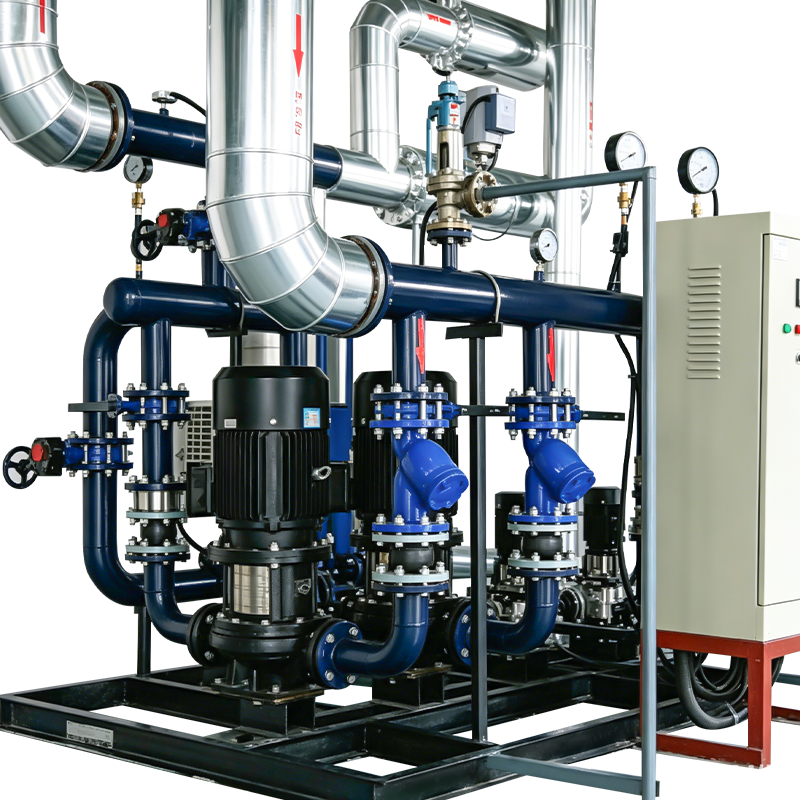
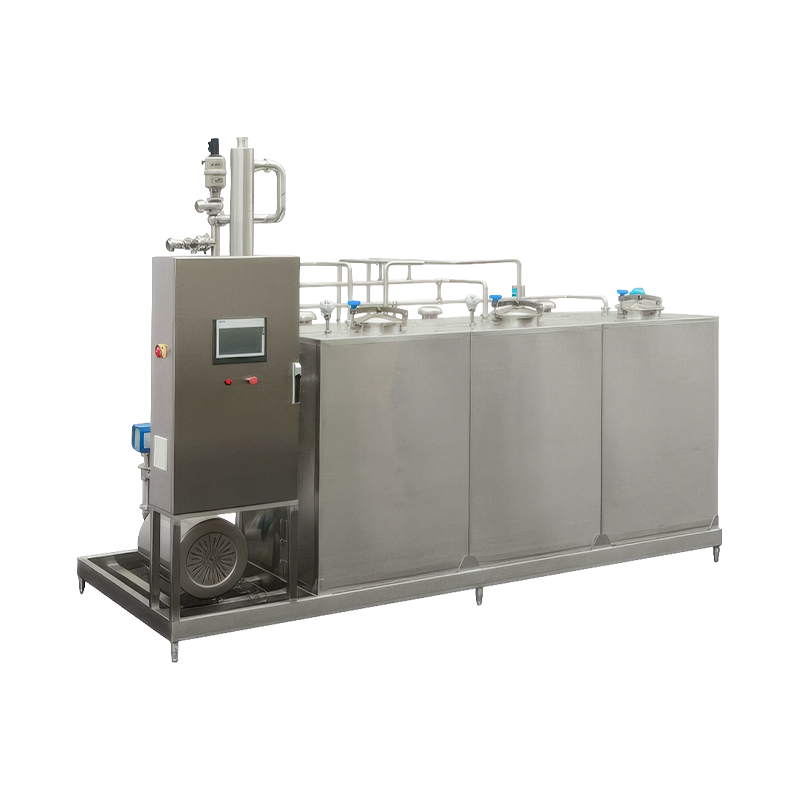
The Intelligent Industrial Heat Exchanger Unit is designed to address these requirements through the integration of heat exchange technology, circulation equipment, automated valves, sensors, safety devices, and a programmable control system on a single skid-mounted platform. Instead of supplying a heat exchanger as an isolated component, the unit provides a coordinated process package that can be connected to hot and cold utility networks with less on-site installation work.
Its intelligent control architecture continuously monitors temperature, pressure, flow, and equipment status. Based on defined process parameters, the system can automatically regulate pump operation, valve position, and circulation conditions to maintain the required thermal output. This closed-loop operation supports stable heating, cooling, and process heat exchange while reducing the need for continuous manual adjustment.
For food and beverage manufacturers, the unit provides a practical solution for hygienic process temperature management. For biopharmaceutical manufacturers, it supports the controlled thermal conditions required by sensitive processes and validated production environments. The skid-mounted design also makes the system suitable for new facilities, plant expansions, and upgrades to existing process lines.
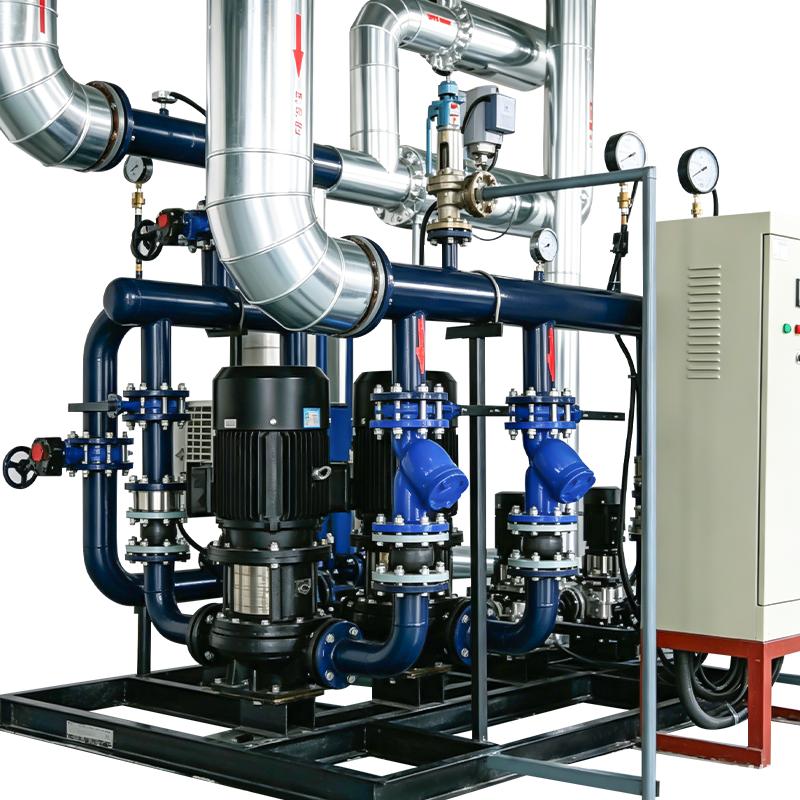
Intelligent Industrial Heat Exchanger Unit
1. The Role of Thermal Control in Modern Processing Facilities
Heat transfer is one of the most frequently used operations in industrial production. A process may need to raise the temperature of water, cool a product after heating, maintain a fermentation vessel within a narrow temperature range, transfer heat between primary and secondary circuits, or recover energy from a hot process stream. Although the basic principle is simple, reliable performance depends on the coordination of several mechanical and control functions.
A heat exchanger must provide sufficient thermal capacity while maintaining acceptable pressure drop. Pumps must deliver the required flow without excessive vibration or cavitation. Valves must respond accurately to changing process requirements. Sensors must provide dependable measurements. The control system must interpret those measurements and issue appropriate commands. If these elements are selected and installed separately without sufficient system coordination, the final installation may suffer from unstable temperatures, difficult commissioning, excessive energy use, and complicated maintenance.
The Intelligent Industrial Heat Exchanger Unit combines these functions in one engineered package. The heat exchanger, circulation pump sets, pipelines, valves, instruments, and PLC control system are designed to work as a unified system. The package is tested, arranged, and prepared before delivery, allowing the customer to reduce the amount of field fabrication and commissioning required at the production site.
This integrated approach is particularly valuable in industries where production interruptions are costly. A factory may have limited installation space, strict hygienic requirements, complex utility connections, and demanding documentation requirements. A preassembled skid helps simplify equipment positioning and connection while providing a clear boundary between the packaged thermal system and the facility utility network.
2. Product Overview and Operating Principle
The Intelligent Industrial Heat Exchanger Unit transfers thermal energy between two separate media. A hot medium flows through one side of the heat exchanger, while a cold medium flows through another side. Heat passes through the exchanger plates from the higher-temperature medium to the lower-temperature medium without direct mixing of the two fluids.
The system may be configured for heating, cooling, heat recovery, primary-to-secondary network separation, or process temperature regulation. The final design depends on the required heat transfer capacity, process media, operating temperatures, operating pressures, flow rates, material requirements, and cleaning strategy.
A typical operating sequence begins when the control system receives a demand for a specified outlet temperature. Temperature sensors measure the inlet and outlet conditions of the relevant circuits. Flow instruments and pressure devices provide additional information about system performance. The PLC compares actual measurements with the programmed setpoints and adjusts control valves or pump operation as necessary.
If the outlet temperature is below the target, the controller may increase the flow of the heating medium or reduce the flow of the cooled process stream, depending on the control strategy. If the outlet temperature rises above the target, the system can reduce heating flow, increase cooling flow, or adjust circulation conditions. The control response can be configured according to the process characteristics and the required degree of precision.
Pressure monitoring provides protection as well as operational information. Abnormal pressure conditions may indicate a blocked filter, closed valve, pipeline leak, pump malfunction, or excessive system resistance. The controller can activate alarms and, where appropriate, stop selected equipment to protect the unit and connected process systems.
The result is a coordinated thermal control loop that is more consistent than a manually adjusted arrangement. Instead of relying on operators to observe gauges and repeatedly reposition valves, the unit performs continuous monitoring and automatic adjustment according to programmed parameters.
3. Main Components of the Integrated Unit
3.1 Plate Heat Exchanger
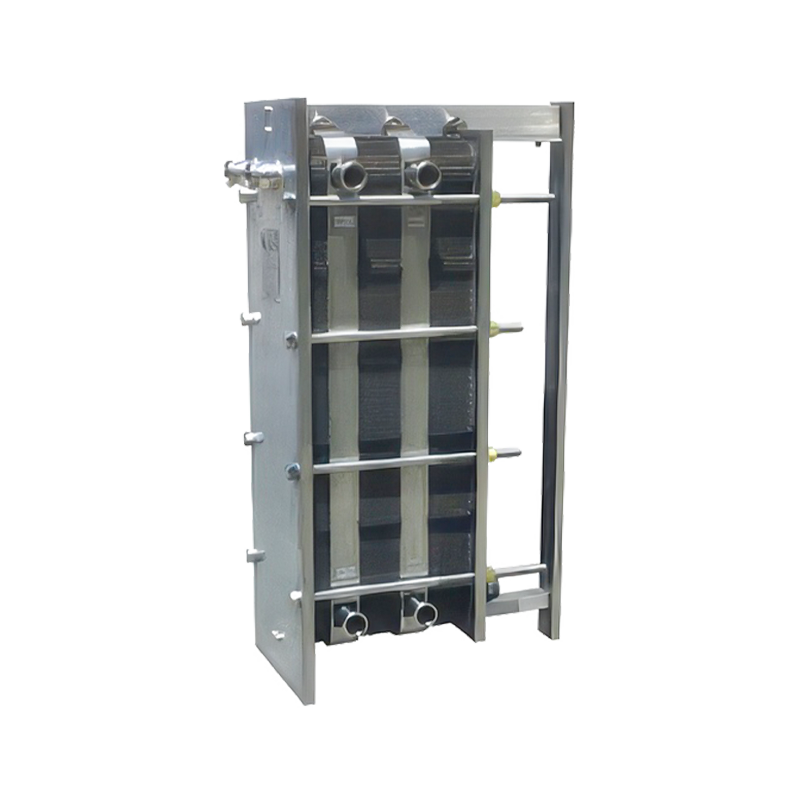
The plate heat exchanger is the primary heat transfer element. It consists of a series of formed plates assembled into a compact frame. Separate flow channels are created between adjacent plates, allowing two media to pass through different channels while exchanging heat through the plate material.
Plate heat exchangers offer a high heat transfer area in a relatively small footprint. Their modular plate arrangement can allow the heat transfer area and flow configuration to be adapted to specific duties. The plates can also be removed for inspection, cleaning, gasket replacement, or maintenance, subject to the selected model and process requirements.
For food and beverage applications, material selection, surface finish, gasket compatibility, drainability, and cleaning procedures are important considerations. For biopharmaceutical applications, the design may need to accommodate strict process control, traceability, material documentation, and compatibility with defined cleaning and sanitization procedures.
3.2 Circulation Pump Sets
Circulation pumps maintain the movement of the heating, cooling, or process medium through the unit. The pump configuration can be selected according to required flow, pressure, operating temperature, fluid properties, and system layout.
Multiple pump arrangements can support main and standby operation. If the primary pump requires maintenance or experiences a fault, the standby pump may be selected through the control system, depending on the project configuration. This arrangement improves operational continuity and can reduce the impact of routine service activities.
Pump operation may be controlled by start-stop commands, staged operation, or variable-speed regulation. A variable operating strategy allows the system to respond to changing loads instead of operating continuously at maximum capacity. This can improve energy efficiency and reduce mechanical stress when the process demand is lower than the design maximum.
3.3 Automated Valves
Valves control the flow of heating and cooling media and help isolate equipment during maintenance. Automated control valves can be modulated by the PLC to regulate thermal capacity. Isolation valves and check valves support safe operation, service access, and correct flow direction.
Valve selection depends on pressure rating, temperature, media compatibility, control accuracy, hygienic requirements, and cleaning conditions. In process environments, the valve arrangement should also support effective drainage and avoid unnecessary dead legs where applicable.
3.4 Temperature, Pressure, and Flow Instruments
Reliable measurement is essential for intelligent operation. Temperature sensors provide feedback for heating and cooling control. Pressure gauges and transmitters help operators and the control system identify abnormal conditions. Flow sensors confirm whether the required circulation is taking place and help evaluate heat exchanger performance.
Where differential pressure is monitored, the control system can identify changes in hydraulic resistance. A gradual increase in differential pressure may suggest fouling, scaling, filter blockage, or a restriction in the connected pipeline. Early detection enables maintenance to be planned before the problem causes a significant production interruption.
3.5 PLC and HMI Control System
The PLC functions as the central control unit. It receives signals from sensors, processes control logic, manages pump and valve commands, and activates alarms when operating values exceed defined limits. The HMI provides operators with access to process values, equipment status, setpoints, alarm information, and operating history, depending on the selected control configuration.
Local operation can be provided through the skid-mounted control interface. Remote monitoring and communication with a wider factory automation system may also be supported when required by the project. This makes the unit suitable for facilities that are developing centralized supervision, production data collection, or broader smart manufacturing programs.
3.6 Safety Devices
The unit can include overpressure protection, over-temperature alarms, emergency stop devices, and other project-specific safeguards. Safety functions should be selected and implemented according to the process risk assessment, applicable standards, utility conditions, and customer requirements.
Safety devices do not replace proper system design or operating procedures. Instead, they provide additional protection by helping identify or respond to abnormal operating conditions. Clear alarm messages and defined shutdown logic also assist operators in taking timely corrective action.
4. Skid-Mounted Integration and Installation Advantages
The skid-mounted structure is one of the most significant advantages of the unit. The main equipment and associated piping are arranged on a common support frame. This allows the package to be transported, positioned, and connected as an integrated assembly rather than constructed entirely at the customer’s site.
Factory assembly can improve dimensional consistency and reduce the number of field welds, temporary connections, and installation activities. The supplier can verify the arrangement of pumps, valves, instruments, and control components before shipment. The customer benefits from a clearer installation scope and a more organized commissioning process.
Compared with a conventional approach in which the heat exchanger, pumps, instruments, and control panel are purchased from different suppliers, an integrated skid offers a single coordinated package. This reduces the risk of incompatible components, unclear responsibility boundaries, or inconsistent control philosophies.
The skid can be designed for integral lifting and positioning. Connection points may be arranged according to the customer’s utility layout, available floor space, maintenance access, and preferred piping direction. A compact arrangement can be especially useful in food and biopharmaceutical plants where production space is valuable and equipment must be installed around existing process lines.
Pre-delivery debugging and functional checks can further reduce startup effort. Although final site commissioning remains necessary, the factory can verify instrument installation, control logic, pump rotation, valve operation, alarm functions, and basic signal communication before the unit leaves the manufacturing facility.
| Conventional Separate Equipment Arrangement | Integrated Intelligent Skid | Customer Benefit |
|---|---|---|
| Components supplied by multiple parties | Heat exchanger, pumps, valves, instruments, and controls coordinated as one package | Clearer project responsibility |
| Extensive field piping and wiring | Preassembled piping and control connections | Reduced installation workload |
| Manual adjustment during operation | PLC-based automatic regulation | More stable process conditions |
| Limited operational visibility | Continuous temperature, pressure, and flow monitoring | Faster fault identification |
| Fixed equipment capacity | Configurable pump sets and heat transfer area | Better adaptation to process loads |
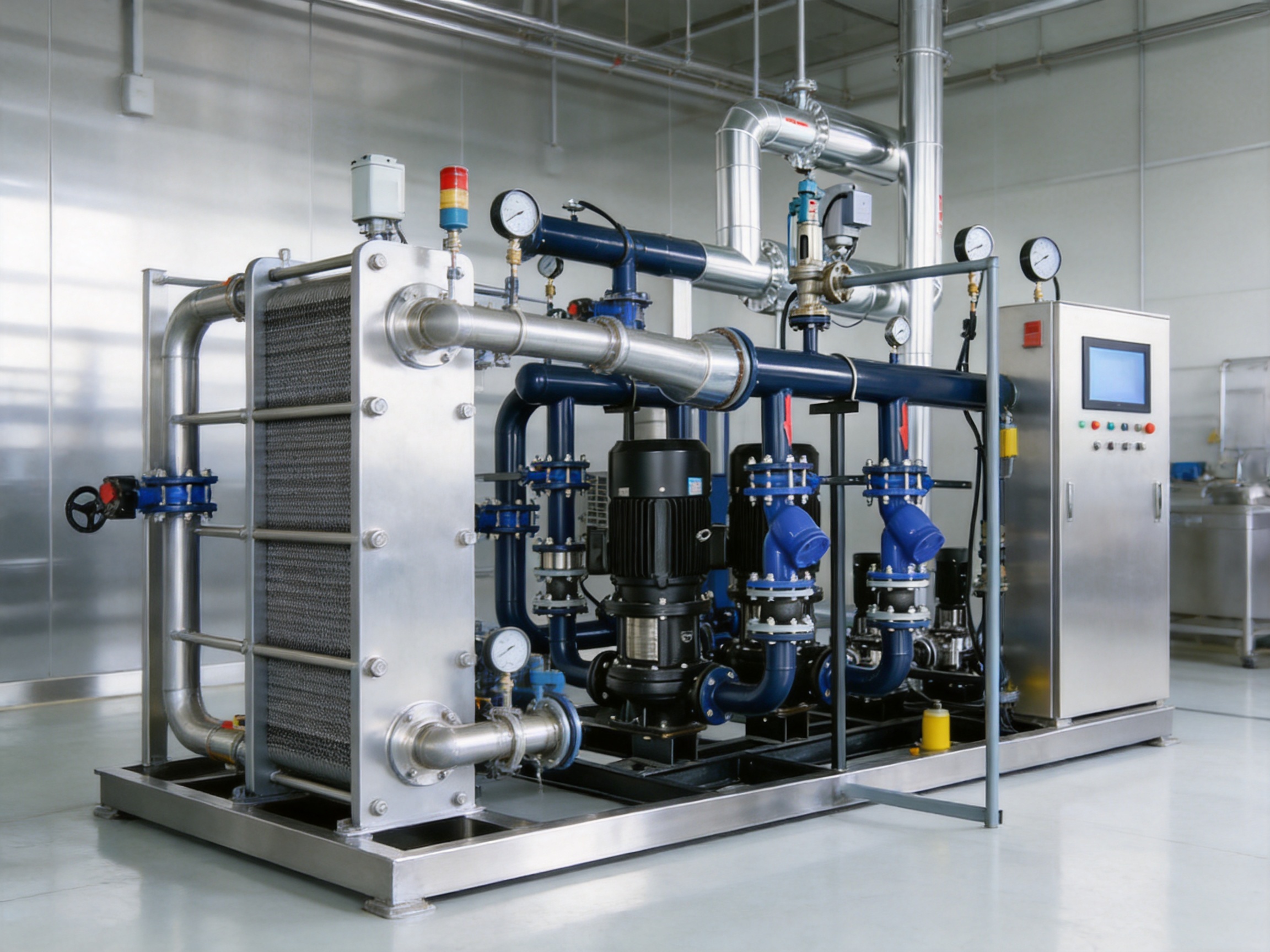
5. Advantages Compared with Conventional and Competing Solutions
5.1 Complete Functional Integration
Many basic heat exchanger offerings focus primarily on the exchanger itself. The customer must then arrange pumps, valves, instruments, controls, structural supports, and interconnecting pipelines. This approach may be suitable for simple utility applications, but it places more engineering and coordination responsibility on the end user.
The Intelligent Industrial Heat Exchanger Unit provides a more complete solution. The thermal core, circulation system, control system, and monitoring devices are combined into a tested skid. This reduces the engineering effort required to create a functioning package and helps ensure that the individual components operate according to a unified design philosophy.
5.2 Automatic Regulation Instead of Manual Adjustment
Manual operation can create inconsistent temperatures, especially when process demand changes rapidly. Operators may need to adjust valves repeatedly while observing several instruments. The response may vary between shifts, and a delayed adjustment can affect product quality or consume more energy than necessary.
Automatic regulation allows the controller to respond continuously to measured conditions. The system can maintain a defined outlet temperature by coordinating flow and equipment operation. This improves repeatability and reduces dependence on individual operator experience.
5.3 Improved Operational Visibility
A conventional arrangement may offer only local gauges and limited information about equipment status. The intelligent unit collects operating data from pressure, temperature, and flow instruments and presents the information through the control interface.
Improved visibility helps operators identify deviations earlier. For example, a reduction in flow may be detected before the process outlet temperature moves outside its acceptable range. A rise in pressure drop may indicate progressive fouling. Abnormal pump vibration or operating status can be investigated before it develops into a more serious failure.
5.4 Configurable Capacity
Industrial processes rarely have identical thermal loads. Some applications require a compact unit for a single process loop, while others require multiple pump circuits, larger heat transfer areas, or main and standby equipment. The modular design allows the number of pump sets and heat exchange area to be configured according to working conditions.
This flexibility is an advantage over standardized packages that may be oversized for one application or insufficient for another. Proper sizing can help avoid unnecessary capital cost, excessive energy consumption, and poor control performance at low loads.
5.5 Easier Maintenance and Cleaning
The plate heat exchanger supports disassembly, cleaning, and inspection. Depending on the process, cleaning may be performed through an online cleaning procedure or by removing and servicing the plates. Filters, valves, sensors, pumps, and other components can be arranged with maintenance access in mind.
Preventive maintenance is easier when operating data and equipment status are visible. Operators can establish service intervals based on actual conditions, historical performance, and manufacturer recommendations. This approach can reduce unexpected downtime and improve the useful life of the equipment.
5.6 Better Project Coordination
A complete skid package reduces the number of separate interfaces between the equipment supplier, mechanical contractor, electrical contractor, automation integrator, and plant owner. One coordinated supplier can take responsibility for the package design, assembly, control logic, and factory checks.
This does not eliminate the need for customer engineering. The process owner still needs to define operating conditions, utility parameters, materials, hygienic requirements, control interfaces, and applicable standards. However, the integrated supply model can make communication more direct and reduce the risk of gaps between disciplines.
6. Applications in the Food and Beverage Industry
6.1 Product Heating and Cooling
Food and beverage processes often require controlled heating or cooling to achieve the desired product characteristics and maintain production consistency. An intelligent heat exchanger unit can regulate the temperature of water, process fluids, or utility circuits used in production.
Stable thermal conditions are important for products such as liquid foods, beverages, sauces, dairy products, and prepared ingredients. The exact heat exchanger design must be selected according to viscosity, particulate content, fouling tendency, required flow rate, and cleaning method.
6.2 Pasteurization and Thermal Support Systems
Pasteurization systems require accurate temperature management and dependable circulation. The intelligent unit may serve as part of a broader thermal process by controlling the heating or cooling medium supplied to the pasteurization equipment.
Accurate monitoring supports consistent operating conditions. Alarm functions can notify operators if temperature, pressure, or flow deviates from the defined range. The final process validation and safety strategy must be established by the plant owner according to product requirements and applicable regulations.
6.3 Cleaning and Utility Circuits
Cleaning-in-place systems use heated water or cleaning solutions to remove residues from tanks, pipelines, fillers, and processing equipment. The heat exchanger unit can help regulate the temperature of the cleaning medium and support circulation through the relevant utility network.
Temperature stability contributes to repeatable cleaning performance. The system may also be configured with appropriate material and sealing selections for the intended cleaning agents, temperatures, and pressures.
6.4 Hot Water and Chilled Water Distribution
Food plants often operate several hot and chilled water circuits. A packaged unit can transfer heat between primary utility networks and secondary distribution loops while providing pressure separation and automatic temperature control.
Using a secondary circuit can help isolate sensitive process users from fluctuations in the primary network. It can also simplify the management of different pressure zones, building areas, or production departments.
7. Applications in Biopharmaceutical Manufacturing
Biopharmaceutical production requires careful control of temperature and process conditions. Thermal systems may support media preparation, buffer preparation, vessel jackets, utility loops, equipment cleaning, and temperature-controlled storage or transfer operations.
In these environments, the heat exchanger unit must be evaluated not only for heat transfer performance but also for material compatibility, cleanability, documentation, control accuracy, and integration with the plant’s quality system. The correct configuration depends on whether the unit serves a product-contact circuit, a clean utility circuit, or a general facility utility application.
For non-product-contact utility systems, the unit can provide heating or cooling to secondary loops serving process equipment. For more demanding hygienic duties, the wetted materials, surface finishes, gaskets, connections, drainage, and cleaning procedures must be specified in detail.
Temperature stability can support repeatable manufacturing conditions. Continuous monitoring also creates useful operational information for maintenance planning and process review. Where required, the control system can be integrated with a facility monitoring or automation platform, subject to the customer’s communication, validation, cybersecurity, and data integrity requirements.
8. Materials, Hygienic Design, and Process Compatibility
Material selection affects equipment durability, thermal performance, cleanability, and compatibility with the process medium. Stainless steel is commonly selected for food, beverage, pharmaceutical, and biopharmaceutical environments because of its corrosion resistance, hygienic characteristics, and suitability for controlled cleaning procedures.
Carbon steel may be appropriate for general industrial utility circuits where corrosion conditions and hygienic requirements are less demanding. Titanium may be considered for applications involving aggressive media or high corrosion risk. Copper alloys provide strong thermal conductivity in selected cooling applications, while nickel alloys may be used in high-temperature or chemically demanding environments.
The correct material cannot be selected based on industry name alone. Engineers must evaluate fluid composition, chloride concentration, pH, temperature, pressure, flow velocity, cleaning chemicals, sterilization conditions, and expected service life. Gaskets and seals must be compatible with the operating and cleaning media.
For hygienic applications, the design should avoid unnecessary crevices and areas where product or cleaning fluid could remain trapped. Drainability, accessibility, weld quality, surface treatment, connection type, and inspection requirements should be established during the project design stage.
Shiloc’s process equipment capabilities include processing, welding, polishing, and quality control. These manufacturing activities support the production of fluid equipment and integrated skids for food and beverage, biopharmaceutical, daily chemical, and fine chemical applications. The specific manufacturing and inspection plan is defined according to the customer’s technical specification and project requirements.
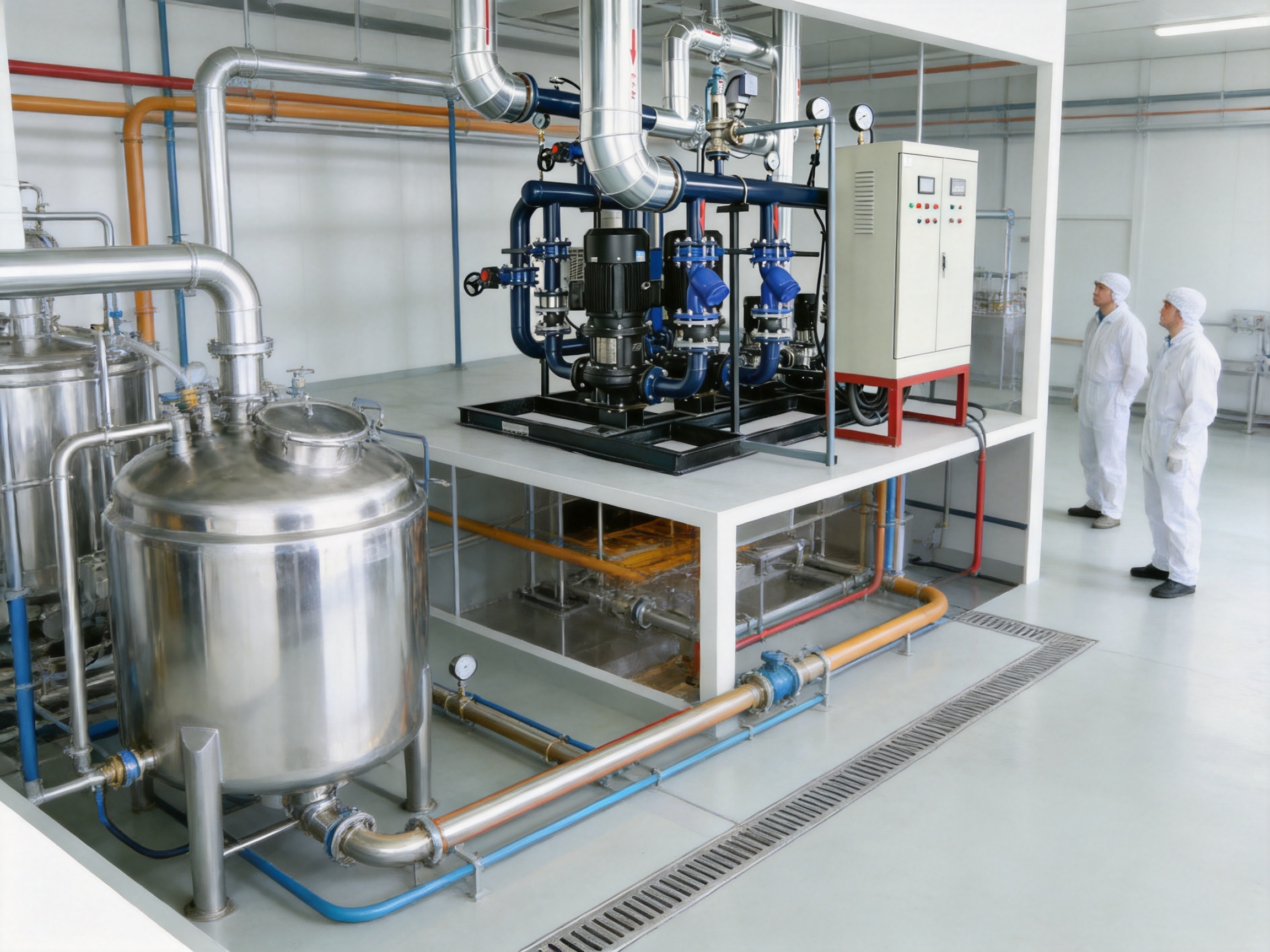
9. Advanced Manufacturing and Engineering Strengths
9.1 European Know-How and Danish Design Influence
The company’s equipment development is built on European know-how and Danish design principles. This foundation emphasizes functional engineering, clean process layouts, practical maintenance access, efficient use of space, and clear equipment operation.
Design influence is reflected in the effort to combine robust mechanical construction with simple and logical operation. In process equipment, advanced design does not mean unnecessary complexity. It means that the system is arranged so that the required functions can be performed reliably, inspected efficiently, and maintained safely.
9.2 Shanghai Manufacturing and Service Facility
Shiloc operates a 3,000-square-meter facility in Shanghai with more than 20 technical specialists. The facility supports equipment coordination, processing, welding, polishing, quality control, and project-related technical services.
Locating engineering and manufacturing resources within one organization improves communication between design and production teams. Technical questions can be addressed during fabrication, and manufacturing feedback can be incorporated into equipment details before final assembly. This is valuable for customized skids, because many projects require adjustments to layout, connection direction, instrumentation, materials, or control logic.
9.3 Welding and Polishing Capabilities
Welding quality is important for fluid equipment because welds may affect structural integrity, corrosion resistance, cleanability, and long-term reliability. The welding approach should be selected according to material, thickness, pressure requirements, process conditions, and applicable quality procedures.
Polishing and surface treatment are also important in hygienic applications. A suitable surface condition can make cleaning easier and reduce the likelihood of residue accumulation. The required finish should be specified according to the process duty rather than assumed to be identical for every application.
9.4 Quality Control and Traceability
Reliable process equipment requires more than a final visual inspection. Quality control may include review of material information, dimensional checks, weld inspection, pressure testing, instrument verification, electrical inspection, control system testing, and documentation review.
Traceability supports confidence throughout the equipment life cycle. It can help the customer identify the materials, components, inspections, and test results associated with the supplied unit. The exact documentation package depends on the project specification, industry requirements, and agreed supply scope.
9.5 Customized Engineering
Shiloc provides personalized project coordination rather than limiting customers to a single standard configuration. The skid can be adapted to different heat loads, process media, utility networks, installation spaces, pump arrangements, instrument requirements, and control architectures.
Customization may include the selection of the plate heat exchanger, adjustment of heat transfer area, addition of standby pumps, modification of valve arrangements, expansion of monitoring points, adaptation of the control panel, or preparation of communication interfaces for factory automation systems.
9.6 Integrated International Supply Support
As a trading and engineering company specializing in the import and export of goods and technology, equipment manufacturing, and technical services, Shiloc can support projects that involve international equipment coordination. Its service system covers equipment supply, technology-related coordination, engineering services, and customized project communication.
For customers purchasing industrial equipment across borders, reliable communication and delivery coordination are important. Technical clarification, documentation, packaging, shipping preparation, installation support, and after-sales communication all influence the success of the project. An integrated supplier can help manage these activities more efficiently than a fragmented procurement process.
10. Control, Data Collection, and Smart Manufacturing
The Intelligent Industrial Heat Exchanger Unit is designed for more than basic automatic temperature control. Its sensors and PLC create a foundation for operational data collection and equipment status monitoring.
Important data points may include supply temperature, return temperature, outlet temperature, flow rate, pump status, valve position, pressure, differential pressure, alarm condition, and operating hours. The selected control architecture determines which values are displayed, stored, transmitted, or used in automatic logic.
Data collection helps operators understand how the unit performs under different production loads. Historical trends can reveal gradual loss of heat transfer efficiency, increasing pump pressure, unstable utility conditions, or repeated alarm events. These trends support maintenance planning and process optimization.
Remote monitoring can help technical personnel review unit status without being physically present at the skid. When integrated with a plant-level automation system, the heat exchanger unit can become part of a wider manufacturing information structure. Such integration should be implemented according to the customer’s requirements for access control, network security, data retention, validation, and system availability.
| Monitored Parameter | Typical Purpose | Possible Response |
|---|---|---|
| Inlet and outlet temperature | Verify thermal performance and process setpoint | Adjust control valve or circulation condition |
| Flow rate | Confirm adequate circulation | Adjust pump operation or activate an alarm |
| Operating pressure | Protect the heat exchanger and connected piping | Alarm, isolate, or stop equipment as configured |
| Differential pressure | Identify fouling or flow restriction | Schedule inspection or filter cleaning |
| Pump status | Verify availability and operating condition | Switch to standby pump when configured |
| Valve position | Confirm control response | Identify actuator or process abnormalities |
11. Energy Efficiency and Operating Cost Considerations
Energy efficiency depends on the overall system design, not only the heat exchanger. A high-efficiency exchanger can still consume unnecessary energy if pumps operate continuously at excessive speed, valves are poorly selected, insulation is inadequate, or control setpoints are not optimized.
The Intelligent Industrial Heat Exchanger Unit addresses efficiency through coordinated operation. Automatic regulation helps match heating or cooling capacity to actual process demand. Pump staging or variable-speed control can reduce circulation energy during periods of lower load. Stable temperature control can also reduce repeated overheating and subsequent cooling.
Good heat exchanger performance depends on clean heat transfer surfaces. Scaling and fouling create additional thermal resistance, which can increase the required utility flow or reduce outlet temperature performance. Monitoring temperature differences and pressure drop helps identify when cleaning should be considered.
Energy savings should be evaluated using actual operating data. Important factors include annual operating hours, load profile, utility cost, temperature difference, pump efficiency, heat exchanger cleanliness, insulation, and control strategy. A properly selected and maintained unit can support lower operating costs, but savings vary according to the application.
12. Maintenance and Service Recommendations
12.1 Startup Inspection
Before startup, all process and utility pipelines should be inspected and vented. Air trapped in the system can reduce circulation, increase noise, and cause unstable thermal performance. Operators should verify valve positions, pump readiness, instrument calibration status, electrical connections, and emergency stop functions.
The unit should be started according to the approved operating procedure. Rapid changes in temperature or pressure should be avoided unless the equipment and process have been specifically designed for those conditions.
12.2 Heat Exchanger Cleaning
Reduced heat exchange efficiency may result from scaling, fouling, or blockage between the plates. Operators should compare current performance with baseline temperature and pressure data. A rising differential pressure or declining outlet temperature may indicate that cleaning is required.
Cleaning can be performed through an appropriate online procedure or by disassembling the plate heat exchanger, depending on the design and process requirements. Cleaning chemicals, concentration, temperature, circulation time, and rinsing procedure must be compatible with the plates, gaskets, process media, and customer quality requirements.
12.3 Pump Inspection
Abnormal pump noise or vibration may be caused by loose foundations, unsupported pipelines, incorrect valve positions, cavitation, air in the system, worn bearings, seal damage, or foreign objects. Operators should check the pump inlet condition, inlet pressure, valve opening, pipeline supports, and operating status.
Bearings and mechanical seals should be inspected according to the maintenance schedule. Leakage or abnormal wear should be addressed promptly. If a main and standby configuration is provided, the standby pump should be periodically tested rather than left unused for long periods.
12.4 Pressure Fluctuation Investigation
Frequent pressure fluctuations may indicate a problem with the connected network, pump switching logic, pipeline leakage, insufficient expansion capacity, or unstable valve control. The pressure stabilization device should be checked, along with pump start and stop sequences and the condition of connected pipelines.
Alarm records and historical trends can help identify whether the fluctuation occurs during a specific production step, pump changeover, valve movement, or utility demand change.
12.5 Long-Term Shutdown
When the unit will be shut down for an extended period, the media inside the equipment and connected pipelines should be managed according to the process and environmental conditions. In cold environments, water trapped in pipelines can freeze, expand, and damage equipment.
Draining, rinsing, drying, preservation, and restart procedures should be defined according to the fluid type and the required hygienic condition. Before returning the system to service, the operator should inspect the unit, restore the correct valve positions, verify instruments, and complete the required flushing or sanitation procedure.
13. Selection Criteria for a Project-Specific Configuration
Correct selection begins with a complete process data sheet. The customer should provide the required inlet and outlet temperatures, flow rates, heat duty, operating pressures, design pressures, fluid properties, minimum and maximum loads, utility conditions, and available installation space.
The process media must be described clearly. Water, glycol solutions, cleaning chemicals, food products, oils, and pharmaceutical fluids can have different viscosity, corrosion, fouling, and sealing requirements. If the composition may change during production, the design should consider the full operating range.
Material and hygienic requirements should be defined at the beginning of the project. These may include stainless steel grade, surface finish, gasket material, connection standards, drainability, clean-in-place compatibility, sterilization conditions, and documentation requirements.
Control requirements should also be discussed. The customer may need local HMI operation, remote supervision, alarm history, data recording, recipe-based setpoints, pump redundancy, automatic fault recovery, or communication with a plant control system. Clear definition of these functions helps avoid changes during assembly.
Finally, maintenance access and future expansion should be considered. The skid should provide sufficient room for plate removal, pump service, filter cleaning, valve replacement, instrument calibration, and safe operator access. If future production capacity may increase, the frame and piping concept can be reviewed for possible expansion.
14. Installation and Commissioning Workflow
After delivery, the skid is positioned on a suitable foundation and aligned according to the installation drawings. The customer connects the hot and cold medium pipelines, process lines, electrical supply, communication cables, drains, and any required utilities.
Pipeline connections should be cleaned and inspected before circulation begins. Filters should be installed and checked where required. The system should be flushed to remove construction debris, welding residue, and foreign particles that could damage pumps or obstruct the heat exchanger.
Electrical and control checks include verification of power supply, grounding, motor direction, sensor signals, valve actuation, emergency stop circuits, alarm logic, and communication interfaces. Instrument readings should be compared with reference devices or calibration records as appropriate.
During commissioning, the unit should be operated through low-load and normal-load conditions. Temperature response, pressure stability, flow performance, pump switching, automatic valve adjustment, and alarm behavior should be evaluated. Any control parameters that require fine adjustment can then be optimized for the actual connected process.
Factory preassembly and debugging do not remove the need for site commissioning because the final performance depends on the customer’s utility network and process equipment. However, they can reduce the amount of troubleshooting required after installation and help the project reach stable operation more quickly.
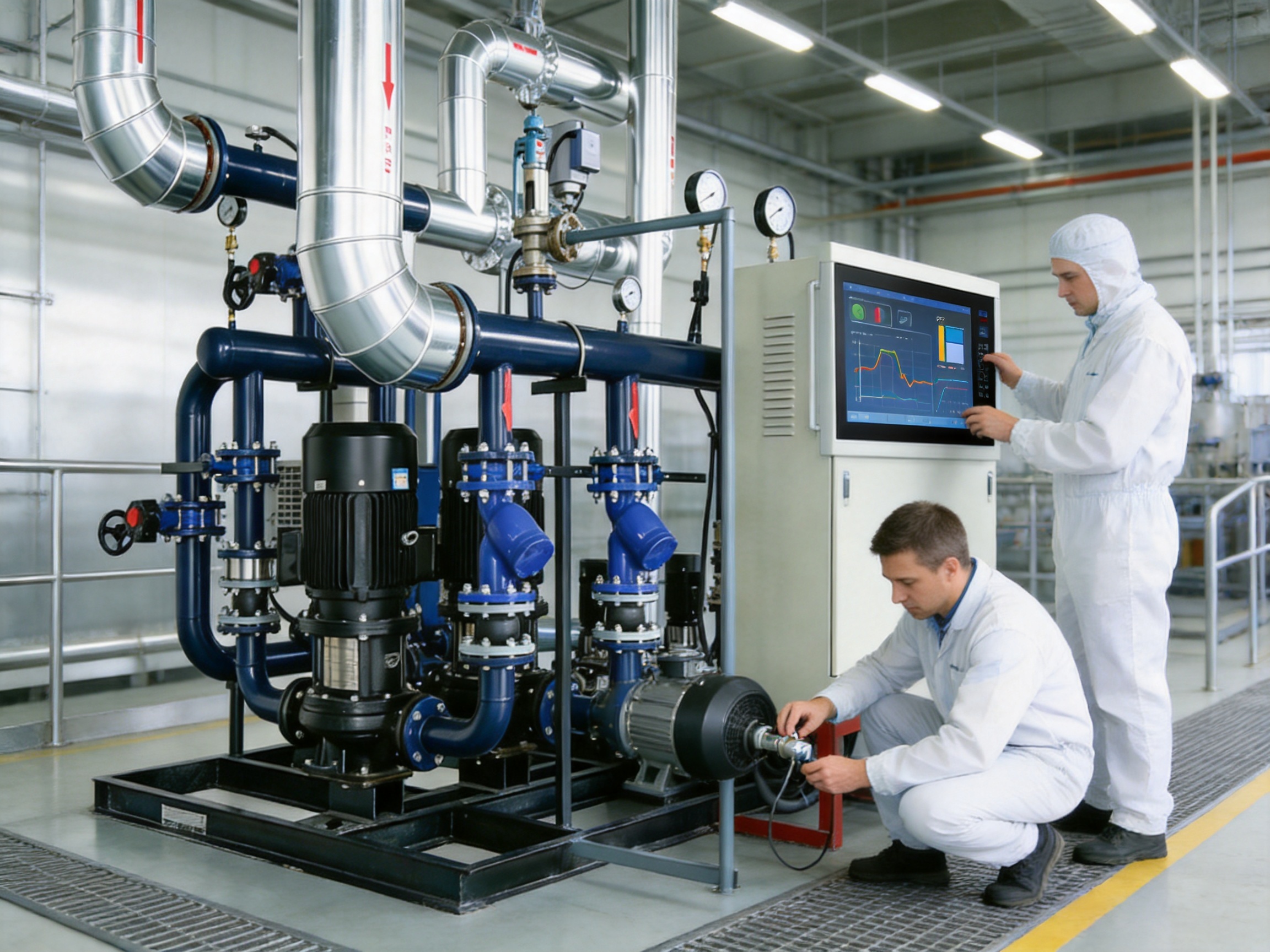
15. Why Choose an Integrated Supplier
An integrated supplier can provide value throughout the equipment life cycle. During the design stage, the supplier helps translate process data into a workable heat exchanger, pump, valve, instrumentation, and control configuration. During manufacturing, the supplier coordinates fabrication and assembly. During delivery, the supplier manages packaging and project documentation. During commissioning, the supplier supports connection checks, functional testing, and operator understanding.
Shiloc (Shanghai) Industrial Trading Co., Ltd. combines international trading experience with equipment manufacturing and engineering service capabilities. Established in March 2026 in Fengxian District, Shanghai, the company focuses on industrial equipment and fluid process solutions for food and beverage, biopharmaceutical, daily chemical, and fine chemical industries.
The company’s product scope includes heat exchangers, aseptic mixing equipment, and other process-related systems. Its technical organization and Shanghai facility support project coordination from initial inquiry through equipment delivery. The company’s stated focus includes innovative design, process optimization, safe and efficient equipment, reliable supply, traceability, and personalized customer service.
Its manufacturing strengths in processing, welding, polishing, and quality control support the production of equipment that must meet demanding fluid handling and hygienic process requirements. The combination of European know-how, Danish design influence, local manufacturing resources, and international project support provides a practical basis for customized equipment delivery.
Customers also benefit from direct communication with a supplier that understands both equipment details and international procurement requirements. A clear technical exchange helps align process expectations, documentation, delivery timing, installation conditions, and after-sales support.
16. Typical Project Benefits
The benefits of the Intelligent Industrial Heat Exchanger Unit are most valuable when evaluated against the complete project rather than the purchase price of the heat exchanger alone. Factory integration may reduce field labor. Automatic control may reduce operator workload. Monitoring may shorten fault response time. Modular capacity may avoid unnecessary oversizing. Accessible maintenance may reduce service interruptions.
For a new production line, the skid provides a defined thermal utility package that can be incorporated into the overall process layout. For an existing facility, it can replace a manually operated arrangement or modernize an older heat transfer loop. In both cases, the customer receives a system designed around a specific duty instead of an isolated component that must be adapted after delivery.
Process consistency is another important benefit. Stable heating and cooling conditions can support consistent product characteristics, reliable cleaning cycles, and predictable equipment operation. The actual improvement depends on process design, control tuning, instrumentation quality, and operator procedures, but the integrated unit provides the technical foundation for controlled thermal management.
17. Frequently Asked Questions
17.1 What is an Intelligent Industrial Heat Exchanger Unit?
It is a skid-mounted thermal management system that combines a plate heat exchanger, circulation pumps, valves, pressure and temperature instruments, flow monitoring, safety devices, and a PLC-based control system. It transfers heat between separate media and automatically regulates operating conditions according to programmed setpoints.
17.2 How is this unit different from a standard heat exchanger?
A standard heat exchanger may be supplied as an individual thermal transfer component. The intelligent unit includes the surrounding pump, valve, instrumentation, piping, safety, and control functions in one coordinated package. This provides automatic regulation, operating status monitoring, fault alarms, and a more complete installation solution.
17.3 Can the unit be used for both heating and cooling?
Yes. The unit can be configured for heating, cooling, primary-to-secondary heat transfer, or other process thermal duties. The required heat exchanger area, pump capacity, valve arrangement, materials, and control logic depend on the specific application.
17.4 Is the unit suitable for food and beverage production?
Yes, subject to appropriate project design. Food and beverage applications may include process heating, cooling, hot water systems, chilled water systems, pasteurization support, and cleaning utility circuits. Hygienic materials, surface finishes, seals, connections, and cleaning procedures should be selected according to the process requirements.
17.5 Can it be used in biopharmaceutical facilities?
It can support biopharmaceutical utility and process-related thermal systems when configured to meet the required materials, cleanability, documentation, control, and validation expectations. The customer should define whether the unit serves a product-contact system, a clean utility, or a general facility utility loop.
17.6 Does the system include a standby pump?
The power and pump configuration can include multiple circulation pumps with main and standby switching. This option is useful when continuity of operation is important or when the process requires maintenance to be performed without stopping the entire thermal service.
17.7 How does the control system maintain outlet temperature?
Temperature sensors measure process conditions continuously. The PLC compares the measured outlet temperature with the defined setpoint and adjusts control valves, pump operation, or circulation flow according to the programmed control strategy. The response is configured according to the process dynamics and required control accuracy.
17.8 What information is needed for equipment selection?
Important information includes heat duty, inlet and outlet temperatures, flow rates, operating and design pressures, process media, utility conditions, material requirements, cleaning method, installation space, control functions, communication requirements, and applicable industry or site standards.
17.9 How is heat exchanger fouling detected?
Fouling may be indicated by reduced heat transfer efficiency, a change in outlet temperature, increased differential pressure, or a change in required utility flow. Regular comparison with baseline operating data helps determine when inspection or cleaning should be scheduled.
17.10 Can the unit connect to a factory automation system?
Yes, the PLC and HMI configuration can support local operation and, when specified, remote monitoring or communication with a wider factory automation system. Communication protocols, data points, cybersecurity requirements, and validation responsibilities should be agreed during engineering.
17.11 What maintenance does the unit require?
Routine maintenance may include heat exchanger cleaning, filter inspection, pump bearing and seal checks, valve inspection, instrument verification, electrical checks, alarm testing, and review of operating trends. The exact schedule depends on the process media, operating hours, cleaning conditions, and manufacturer recommendations.
17.12 Can the skid be customized for limited installation space?
Yes. The layout, connection direction, component arrangement, pump configuration, control panel location, and service access can be reviewed during design. Space limitations should be provided early so that maintenance and lifting requirements are not compromised.
18. Conclusion
The Intelligent Industrial Heat Exchanger Unit provides a complete and adaptable approach to industrial thermal management. By integrating plate heat exchangers, circulation pump sets, valves, sensors, safety devices, and PLC control on a skid-mounted platform, it reduces installation complexity and improves coordination between mechanical, electrical, and automation functions.
Its automatic regulation supports stable outlet temperatures and responsive operation under changing loads. Real-time monitoring of temperature, pressure, and flow improves operational visibility and helps operators identify developing problems. Modular pump and heat transfer configurations allow the unit to be adapted to different applications and capacity requirements.
For food and beverage manufacturers, the unit can support hygienic heating, cooling, utility distribution, pasteurization support, and cleaning systems. For biopharmaceutical manufacturers, it can provide controlled thermal service for process and clean utility applications when the appropriate materials, documentation, and validation requirements are included in the design.
The product’s competitive value comes from the combination of integrated engineering, automatic control, skid-mounted delivery, maintainable plate heat exchange technology, configurable capacity, and project-specific support. Shiloc’s Shanghai facility, technical specialists, processing, welding, polishing, quality control, European know-how, Danish design influence, and international trade capabilities provide a foundation for delivering customized process equipment to global manufacturers.
When selected according to accurate process data and supported by proper installation, commissioning, cleaning, and maintenance, the Intelligent Industrial Heat Exchanger Unit can improve process reliability, reduce manual intervention, support energy optimization, and contribute to the development of safer and more connected manufacturing facilities.
References
1. General principles of plate heat exchanger design, thermal transfer, pressure drop, and maintenance.
2. Industrial process heating and cooling practices for food and beverage manufacturing.
3. Hygienic engineering principles for fluid equipment used in food, pharmaceutical, and biopharmaceutical facilities.
4. Programmable logic controller applications in industrial process automation.
5. Good engineering practices for pump selection, circulation systems, and preventive maintenance.
6. Industrial energy management principles for heating, cooling, and utility distribution systems.
7. Process equipment material selection guidelines for corrosion resistance, cleanability, and service life.
8. General practices for equipment commissioning, instrument verification, alarm testing, and operational qualification.
Product: Intelligent Industrial Heat Exchanger Unit
PREV:Ultra-High Temperature Tube Pasteurizer for Food and Biopharmaceutical Processing
NEXT:Sanitary Capillary Heat Exchangers for Food and Biopharmaceutical Process Systems
NEXT:Sanitary Capillary Heat Exchangers for Food and Biopharmaceutical Process Systems
Interested in cooperation or have questions?
Recommended LINS
✦
Food Processing Skid System
Food and Beverage Process System
CIP Skid System for Food Industry
food and beverage process skid system
hygienic process skid for food industry
CIP process skid system for food industry
automated process skid system for food processing
modular food processing skid system
beverage processing skid system
food processing equipment skid system
Let'S Work Together Welcome Aboard!
-

haikexin@haikexin.com
+8613391278930
-
 +86-21-57560276
 -
 No. 2819, Sihu Road,Fengxian District, Shanghai, China
Join Our Mailing List
Copyright © Shiloc (Shanghai) Industrial Trading Co., Ltd. All Rights Reserved.
Process Systems & Equipment For Food & Biopharma Manufacturers
