
 English
 русский
 Português
 Français

 Read More

Product Category
NEW Category
Contact us
Contact Us
We specialise in the research, development and manufacture of electrical wires and cables.
 +86-21-57560276
Related News
Ultra-High Temperature Tube Pasteurizer for Food, Beverage, and Biopharmaceutical Processing
Content
- 1 Introduction
- 2 What Is an Ultra-High Temperature Tube Pasteurizer?
- 3 Why Tubular UHT Technology Is Important
- 4 Key Product Advantages
- 5 Engineering Design Considerations
- 6 Manufacturing Strengths and Production Capability
- 7 Customization for Different Industries
- 8 Cleaning-in-Place and Hygienic Operation
- 9 Process Control, Safety, and Validation
- 10 Comparison with Alternative Technologies
- 11 Why Choose a Customized Equipment Partner?
- 12 Recommended Selection Checklist
- 13 Maintenance and Operating Reliability
- 14 Conclusion
- 15 Questions and Answers
- 15.1 What is the main purpose of a UHT tube pasteurizer?
- 15.2 Which products can be processed in a tubular UHT system?
- 15.3 Is a tubular system suitable for viscous products?
- 15.4 How does regeneration reduce energy consumption?
- 15.5 Why is the holding tube important?
- 15.6 What happens if the process temperature falls below the approved value?
- 15.7 How is the system cleaned?
- 15.8 Can the equipment process multiple products?
- 15.9 What information is needed for a quotation?
- 15.10 What manufacturing capabilities support equipment quality?
- 15.11 Can a UHT tube pasteurizer be used in biopharmaceutical manufacturing?
- 15.12 What is the difference between pasteurization and UHT treatment?
- 16 References
- 17 Product: Ultra-High Temperature Tube Pasteurizer (UHT)
Introduction
Ultra-high temperature processing is one of the most important technologies for manufacturers that need extended product stability, dependable microbial control, and efficient continuous production. In food, beverage, and biopharmaceutical manufacturing, a heating system must do far more than raise product temperature. It must provide controlled thermal treatment, protect product quality, support hygienic operation, minimize production losses, and integrate smoothly with upstream and downstream equipment.
The Ultra-High Temperature Tube Pasteurizer, commonly referred to as a UHT tube pasteurizer, is designed to meet these requirements through continuous tubular heat treatment. It uses a controlled combination of heating, holding, cooling, and hygienic transfer to process liquid products under carefully defined thermal conditions. Depending on the product formulation, viscosity, solids content, packaging method, and required shelf life, the system can be configured for pasteurization, ultra-high temperature treatment, sterilization-related applications, or other controlled thermal processes.
For manufacturers, equipment selection affects much more than the initial purchase price. The design influences energy consumption, product recovery, cleaning time, microbiological security, maintenance requirements, production flexibility, and the ability to comply with customer and regulatory expectations. A well-engineered tubular system can offer stable operation over long production cycles while reducing unnecessary product exposure to heat and limiting the risk of cross-contamination.
Shiloc (Shanghai) Industrial Trading Co., Ltd. provides process systems and fluid equipment for food and beverage, biopharmaceutical, daily chemical, and fine chemical applications. Its capabilities include equipment manufacturing, engineering and technical services, international trade solutions, heat exchange equipment, and aseptic mixing systems. With European know-how, Danish design concepts, a Shanghai production facility, and a technical team covering processing, welding, polishing, and quality control, the company is positioned to support customers seeking customized thermal process equipment.
This article explains the operating principles, design advantages, manufacturing strengths, application areas, quality considerations, and selection criteria associated with an Ultra-High Temperature Tube Pasteurizer. It also examines how a process equipment supplier can add value through hygienic engineering, process optimization, traceability, and customer-specific configuration.
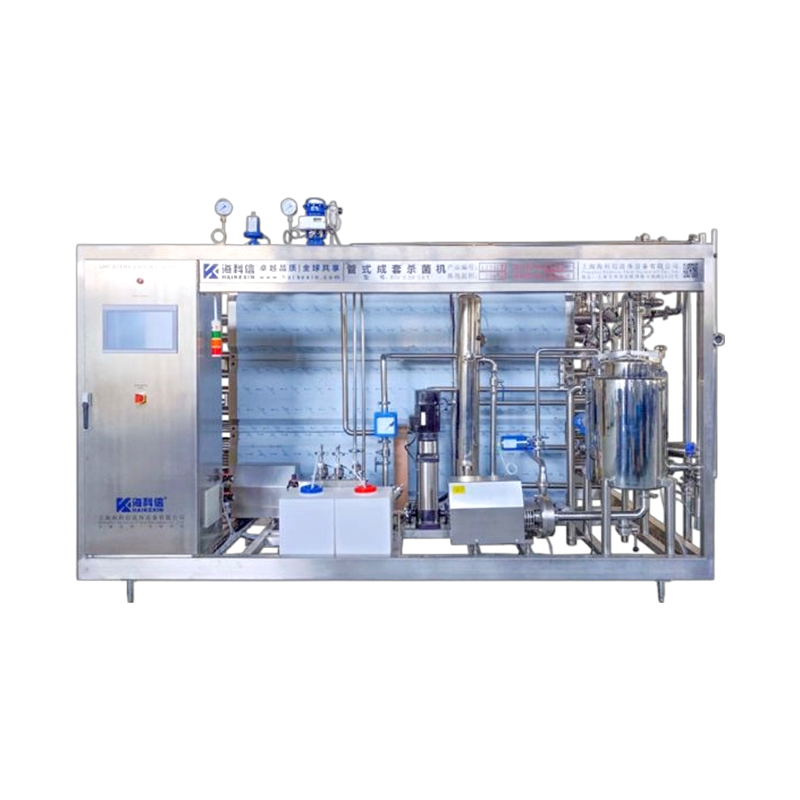
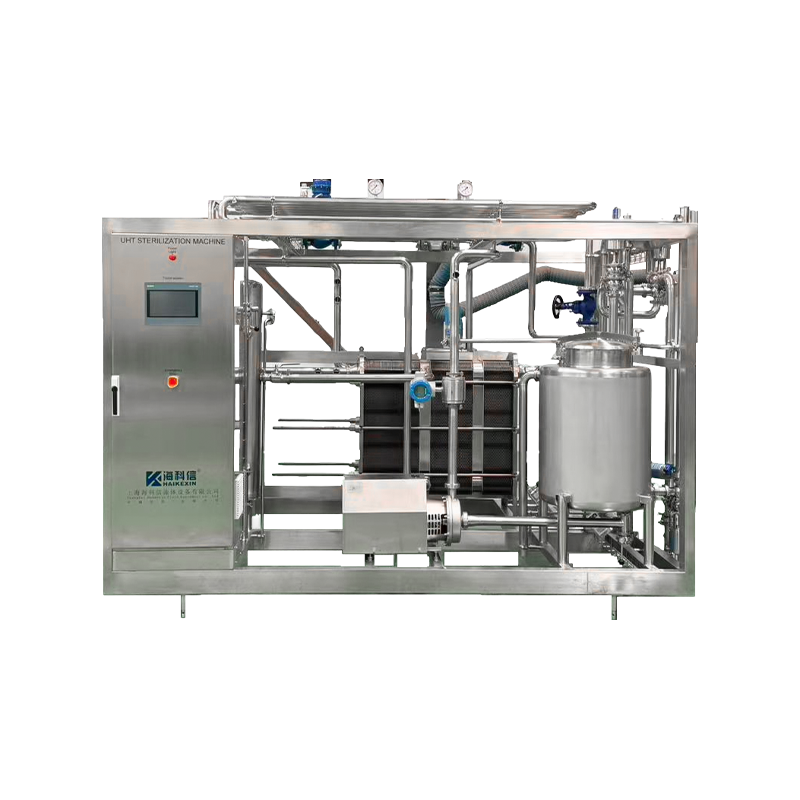
Ultra-High Temperature Tube Pasteurizer (UHT)
What Is an Ultra-High Temperature Tube Pasteurizer?
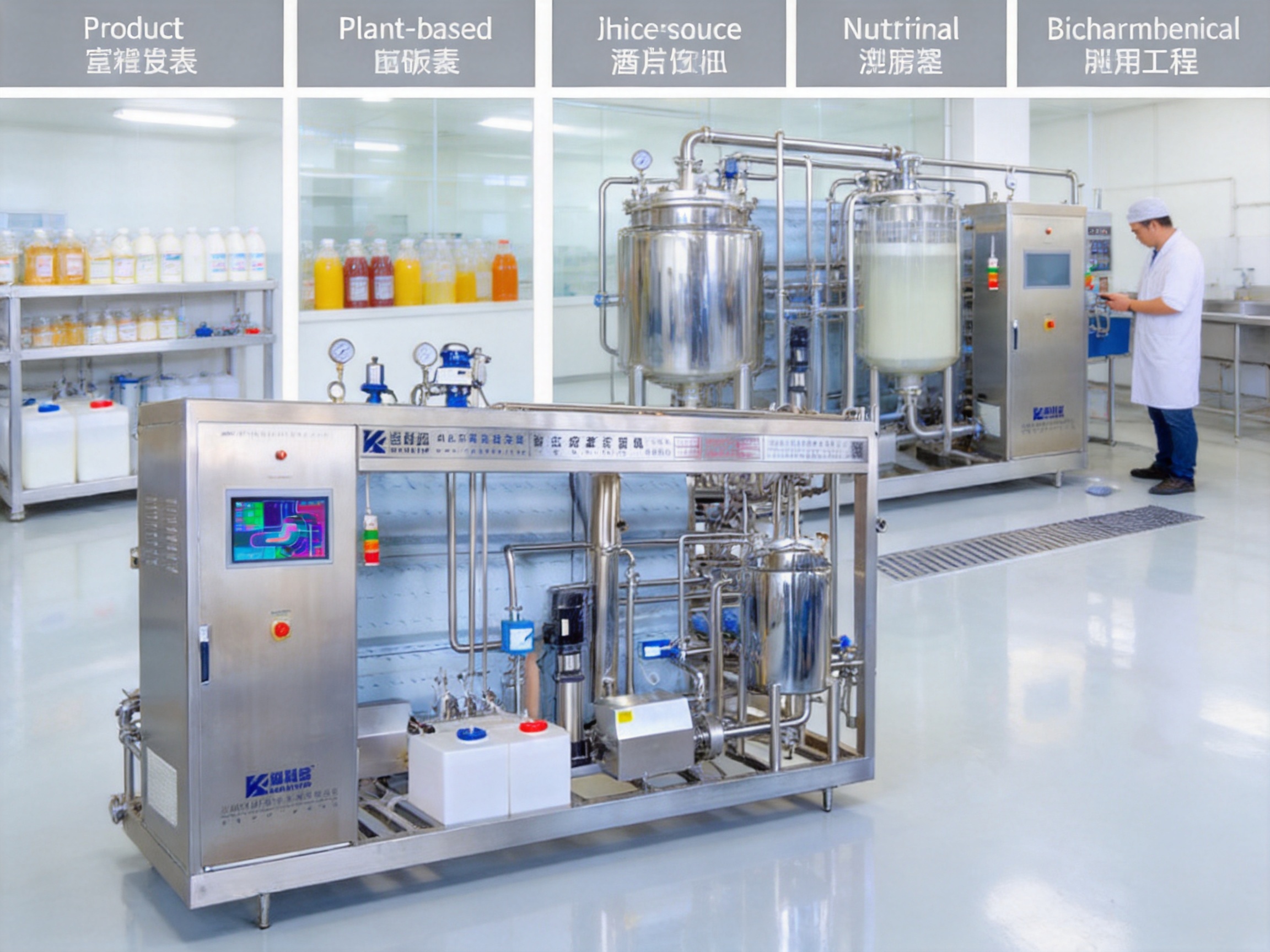
An Ultra-High Temperature Tube Pasteurizer is a continuous heat-treatment system that transfers thermal energy to a liquid product through tubular heat exchange surfaces. The product flows through a hygienically designed tube circuit while a heating medium, such as hot water or steam-heated water, transfers heat through the tube wall. After reaching the target treatment temperature, the product remains at that temperature for a controlled holding time before being cooled and sent to filling, storage, or another processing stage.
The term UHT is generally associated with high-temperature, short-time treatment. The exact temperature and holding conditions depend on the product and the intended process result. Milk, plant-based beverages, juices, liquid nutritional products, sauces, soups, fermentation media, and selected biopharmaceutical liquids can each require different thermal profiles. Therefore, a professional system should not be defined only by a single temperature value. It should be engineered around the complete process, including product characteristics, microbial objectives, packaging conditions, and regulatory requirements.
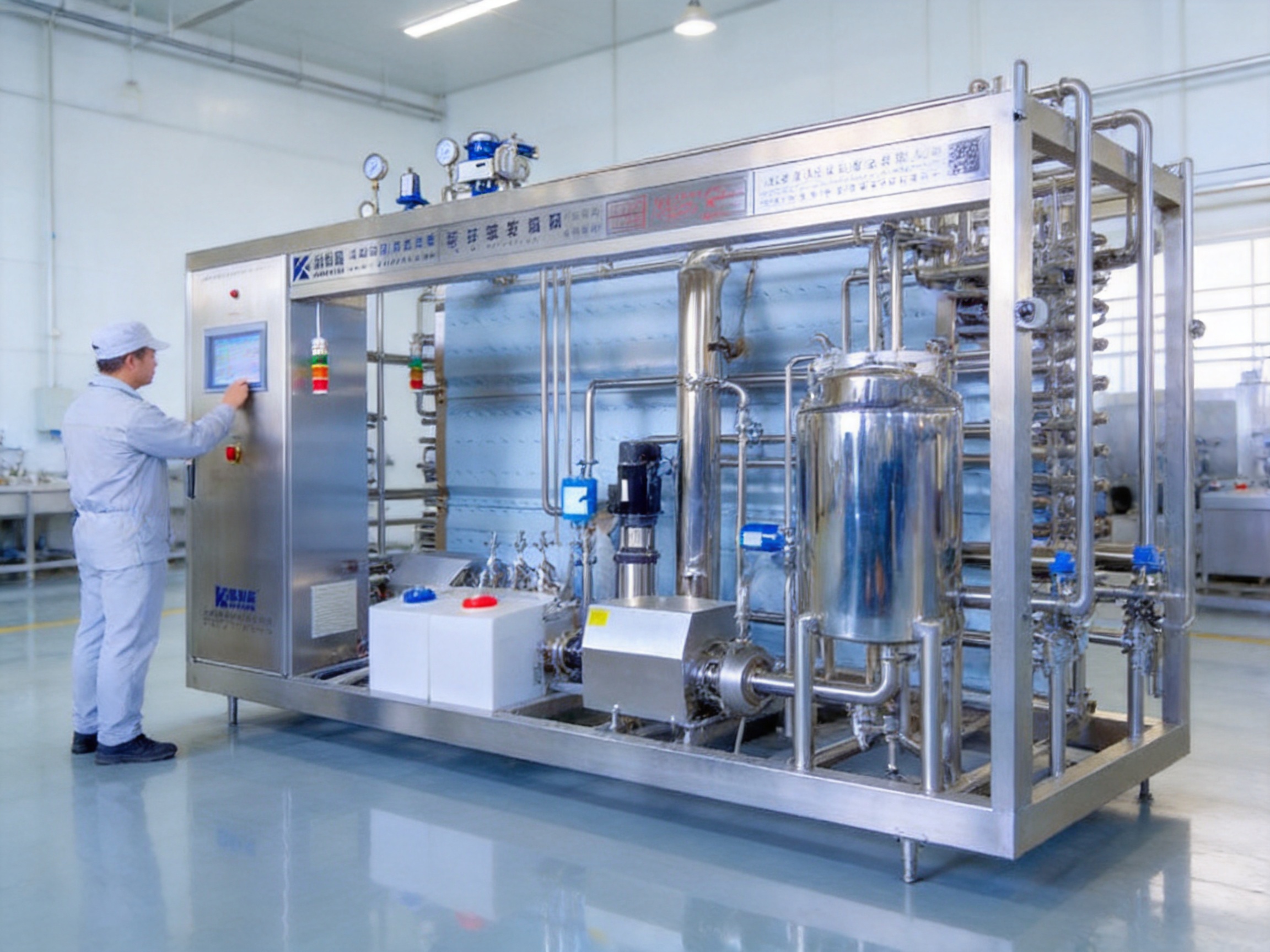
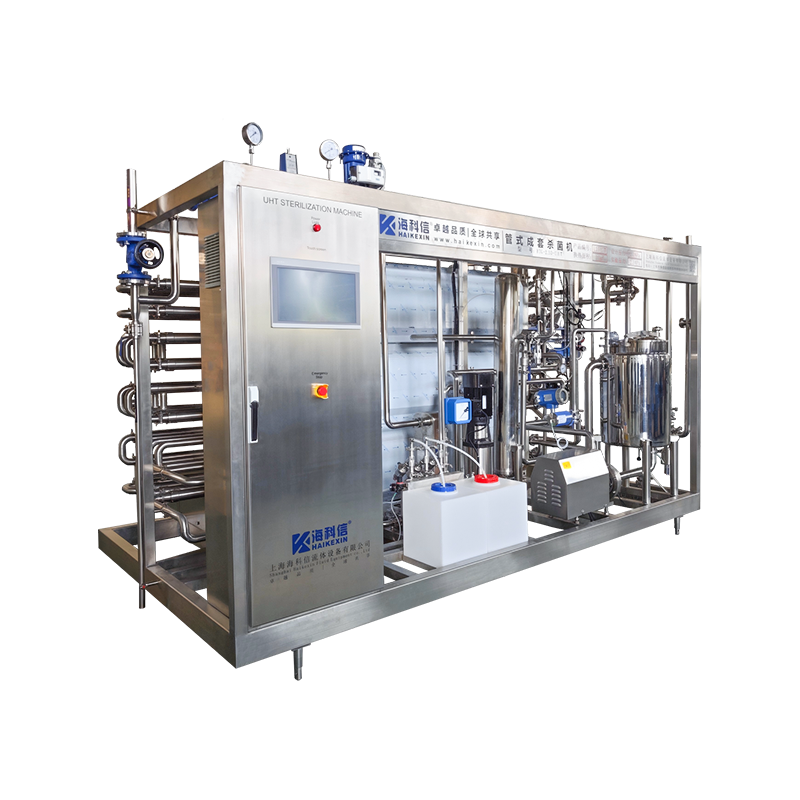
A typical system includes a product balance tank, feed pump, preheating section, main heating section, holding tube, cooling section, control valves, temperature and pressure instruments, a control cabinet, cleaning-in-place connections, and product recovery arrangements. Additional components may include homogenization interfaces, deaeration equipment, aseptic barriers, sterile air systems, diversion valves, sampling points, and automatic recipe management.
The tubular construction is particularly useful for liquid products that may contain suspended particles, fibers, proteins, sugars, or other ingredients. Compared with some plate-based systems, a tubular heat exchanger can provide a more robust flow path for products with higher viscosity or limited particle content, provided the tube diameter, flow velocity, pressure drop, and cleaning system are properly selected.
Core Process Stages
The first stage is product preparation and controlled feeding. The feed system must maintain a stable flow rate because the flow rate affects residence time in the holding tube. A change in flow can alter the thermal treatment received by the product. The balance tank and feed pump therefore work together with the automation system to support consistent product delivery.
The second stage is regenerative preheating. In many systems, hot treated product transfers part of its heat to incoming cold product. This reduces the external heating duty and lowers the cooling load. Regeneration can improve energy efficiency while also moderating the temperature changes experienced by the product.
The third stage is final heating. A hot water circuit or another approved heating medium raises the product to the target processing temperature. The heat-transfer area and control strategy must be sufficient to maintain a stable outlet temperature during normal operation and reasonable changes in production conditions.
The fourth stage is holding. The holding tube provides a defined residence time at the treatment temperature. Its length, internal diameter, product flow rate, and flow characteristics are selected according to the required process. Holding tube design must account for practical factors such as start-up, shutdown, product viscosity, pump performance, and possible deviations in flow.
The fifth stage is cooling. After the thermal treatment is complete, the product is cooled through regeneration and, where necessary, a final cooling section. Rapid and controlled cooling helps protect flavor, color, nutritional properties, viscosity, and other quality characteristics. The cooling method also prepares the product for aseptic filling, chilled storage, fermentation, or subsequent processing.
The final stage is product routing. If the system confirms that the process conditions are within approved limits, the treated product can proceed to the next operation. If the temperature, flow, pressure, or another critical condition falls outside the permitted range, an automatic diversion system can return the product for reprocessing or send it to a designated non-product route.
Why Tubular UHT Technology Is Important
Continuous tubular processing offers several advantages for manufacturers compared with batch heating or less integrated thermal systems. A continuous line can provide more consistent product treatment because the process conditions are measured and controlled throughout production. It also supports higher throughput, lower manual intervention, and easier integration with automatic filling and packaging lines.
For liquid food and beverage products, thermal treatment is often a balance between microbiological safety and product quality. Excessive heating may produce cooked flavors, color changes, protein instability, loss of sensitive nutrients, or undesirable viscosity changes. Insufficient heating may fail to achieve the required microbial reduction. A properly designed UHT tube pasteurizer supports this balance by providing a controlled and repeatable thermal profile.
For biopharmaceutical and life-science applications, thermal systems may be used for suitable liquid media, process solutions, buffers, water-based preparations, or other products where thermal compatibility has been established. These applications require especially careful attention to hygienic design, material selection, documentation, cleaning validation, and process traceability. The equipment configuration must always be evaluated against the specific product and applicable regulatory requirements.
Advantages Over Conventional Batch Heating
Batch heating can be useful for certain formulations and production volumes, but it may expose the full product volume to a longer heating and cooling cycle. This can increase the risk of thermal damage and may make temperature uniformity more difficult to control, particularly in viscous products or large vessels.
A tubular continuous system treats the product as it moves through a defined process path. The heating and holding conditions can be monitored continuously, and the product can be cooled soon after treatment. This approach can reduce unnecessary thermal exposure and improve repeatability from one production run to the next.
Continuous operation can also reduce labor requirements. Once the system has been prepared, verified, and started, automated controls can manage flow, temperature, pressure, product routing, and cleaning sequences. Operators remain essential, but their role can focus more on supervision, quality verification, recipe management, and maintenance rather than constant manual adjustment.
Advantages Over Generic Heat Exchanger Packages
A generic heat exchanger alone does not constitute a complete UHT process system. The heat exchanger must be matched with a holding tube, control logic, pump, valves, instruments, safety devices, product recovery system, and cleaning strategy. If these elements are not engineered together, the result may be unstable flow, inadequate treatment control, product loss, difficult cleaning, or poor integration with the filling line.
A purpose-designed tubular pasteurizer treats the thermal process as a complete system. The design considers the relationship between heat-transfer area, product flow, residence time, pressure, regeneration, cooling, automation, and hygienic operation. This integrated approach is one of the principal advantages of purchasing a process solution rather than a disconnected collection of components.
Key Product Advantages
Controlled Thermal Treatment
The most important advantage of the Ultra-High Temperature Tube Pasteurizer is its ability to deliver controlled thermal treatment. Temperature sensors positioned at critical points provide feedback to the control system. Automated regulation of the heating medium can maintain the required product outlet temperature, while process logic can identify conditions that require product diversion.
Consistent treatment is valuable not only for safety but also for product uniformity. Beverage manufacturers want every production lot to have comparable flavor, color, viscosity, and shelf-life performance. A stable thermal process helps reduce variation and supports more predictable quality control.
Shorter Product Exposure to High Temperature
UHT processing relies on a controlled combination of high temperature and short residence time. The objective is to achieve the required microbial effect without subjecting the product to unnecessary heating for an extended period. The tubular holding section can be engineered to provide the required residence time while the cooling section promptly reduces the product temperature.
The result may be improved preservation of sensory and functional properties when compared with less precise thermal methods. Actual performance depends on formulation, process conditions, equipment configuration, and validation. However, the underlying principle remains important: the product should receive the required treatment, and no more than the process requires.
Energy Recovery Through Regeneration
Regenerative heat exchange allows treated hot product to preheat incoming cold product. This reduces the amount of external energy required to reach the final treatment temperature. It also reduces the amount of refrigeration or cooling utility needed after treatment.
Energy recovery can lower operating costs and reduce the environmental impact of production. It may also improve line stability by creating a smoother temperature transition between process sections. The final regeneration efficiency depends on the system design, product properties, operating temperatures, flow arrangement, and required separation between product streams.
Hygienic and Cleanable Flow Paths
Food, beverage, and biopharmaceutical processes require equipment that can be cleaned effectively and inspected appropriately. Hygienic design principles include smooth internal surfaces, suitable weld quality, minimized dead legs, appropriate drainage, hygienic valve selection, and reliable separation between product and utility circuits.
The use of a cleaning-in-place system allows internal surfaces to be cleaned without dismantling the equipment during every production cycle. A typical cleaning sequence may include pre-rinsing, alkaline cleaning, intermediate rinsing, acid cleaning where required, final rinsing, and sanitization. The exact sequence must be selected according to the product, soil type, materials, chemical compatibility, and customer validation requirements.
Flexible Product Applications
A tubular pasteurizer can be adapted to a wide range of liquid products. Potential applications include dairy beverages, plant-based milk, fruit and vegetable beverages, liquid nutritional products, flavored drinks, liquid sauces, soups, syrups, and other formulated products. With appropriate engineering, it may also be applied to selected industrial and biopharmaceutical liquids.
Flexibility depends on the product. Viscosity, particle size, fat content, protein stability, acidity, sugar concentration, tendency to foul, and sensitivity to shear can all affect equipment selection. A system configured for a low-viscosity beverage may not be suitable for a concentrated sauce or a product containing large particles. This is why process consultation should precede final equipment design.
Automatic Product Diversion
Product diversion is a key protection function. If a critical process condition is outside the approved range, the system can prevent potentially underprocessed product from reaching the finished product line. Depending on the control philosophy, diversion may be triggered by low temperature, insufficient flow, abnormal pressure, loss of utility, instrument failure, or another defined fault.
Automatic diversion supports food safety and reduces dependence on manual reaction time. It also provides a clear basis for batch and lot traceability because process deviations can be recorded and associated with the affected product volume.
Efficient Product Recovery
Product recovery is important because residual product in the pipeline represents both economic value and cleaning burden. Properly designed recovery arrangements can help push product from the line, reduce water dilution, and improve separation between product and cleaning fluids.
Recovery methods vary according to product characteristics and hygienic requirements. Options may include water displacement, product-to-product pushing, air or gas-assisted methods, or mechanical recovery devices where appropriate. The selected method must protect product quality and avoid introducing contamination or excessive foaming.
Engineering Design Considerations
Heat-Transfer Surface Selection
The heat-transfer section must provide enough area to achieve the required heating and cooling duties while maintaining a practical equipment footprint. Tube diameter, tube length, material thickness, flow arrangement, and utility conditions all affect performance.
Product behavior is especially important. A product with low viscosity may require a different tube geometry and flow velocity from a high-viscosity product. Products containing proteins or sugars may be sensitive to fouling, while products with particles may require larger flow passages to reduce blockage risk. The design should consider both normal operation and the most demanding expected production condition.
Holding Tube Design
The holding tube is one of the most critical components in the system. It establishes the time the product remains at or above the required treatment temperature. The design must account for the actual flow rate, temperature, viscosity, density, pressure, and possible variation during operation.
Residence time calculations should be supported by appropriate engineering methods and verified during commissioning and validation. The system should also address start-up and shutdown transitions. Product entering the holding tube before the process reaches stable conditions may need to be diverted until all critical parameters are within specification.
Pumps and Flow Control
The product pump must provide stable flow without causing unacceptable shear, foaming, cavitation, or excessive pressure. Pump selection depends on product viscosity, flow rate, temperature, suction conditions, pressure requirements, and hygienic compatibility.
Flow control is closely linked to the safety of the thermal process. If the product flow increases significantly, residence time may decrease. If the flow falls, the product may experience a longer treatment time or unstable heat transfer. Flow meters, control valves, pump speed control, and automation logic should therefore work together.
Pressure Management
Pressure control helps protect the product, equipment, and sterile boundary. In some systems, maintaining product pressure above the pressure of the heating medium helps prevent utility leakage into the product in the event of a heat-transfer surface failure. Differential pressure requirements should be defined during process design.
Pressure transmitters and relief devices provide additional protection. The system should also consider pressure changes caused by temperature variation, valve movement, pump operation, blocked lines, and product viscosity changes.
Instrumentation and Automation
A modern UHT tube pasteurizer requires reliable measurement and control. Typical instruments may include temperature transmitters, pressure transmitters, flow meters, conductivity sensors, level sensors, valve position feedback, and utility monitoring devices.
The programmable control system can manage recipes, start-up sequences, heating and cooling control, product diversion, cleaning cycles, alarms, data recording, and operator permissions. A human-machine interface can display current process conditions and guide operators through production and cleaning procedures.
Automation should not be treated as an add-on. It is part of the process safety design. Clear alarm priorities, fail-safe valve positions, secure user access, and recorded critical parameters can improve both operational reliability and quality assurance.
| Design Area | Primary Function | Important Selection Factors | Expected Benefit |
|---|---|---|---|
| Heating section | Raises product to the treatment temperature | Heat-transfer area, utility temperature, product properties | Stable and efficient thermal treatment |
| Holding tube | Provides controlled residence time | Flow rate, tube dimensions, viscosity, validation requirements | Repeatable process lethality and product safety |
| Regeneration section | Transfers heat between incoming and treated product | Temperature program, product compatibility, pressure balance | Lower heating and cooling utility consumption |
| Cooling section | Reduces product temperature after treatment | Cooling medium, target outlet temperature, product sensitivity | Improved product quality and filling readiness |
| Control system | Monitors and regulates the process | Recipe requirements, data recording, alarm strategy | Repeatability, traceability, and safer operation |
| CIP system | Cleans internal product-contact surfaces | Soil type, chemical compatibility, flow velocity, validation | Reduced cleaning labor and improved hygiene |
Manufacturing Strengths and Production Capability
The performance of a UHT tube pasteurizer depends not only on the process concept but also on how the equipment is manufactured. Welding quality, surface finish, dimensional accuracy, assembly discipline, instrument installation, and final inspection all affect hygienic performance and operating reliability.
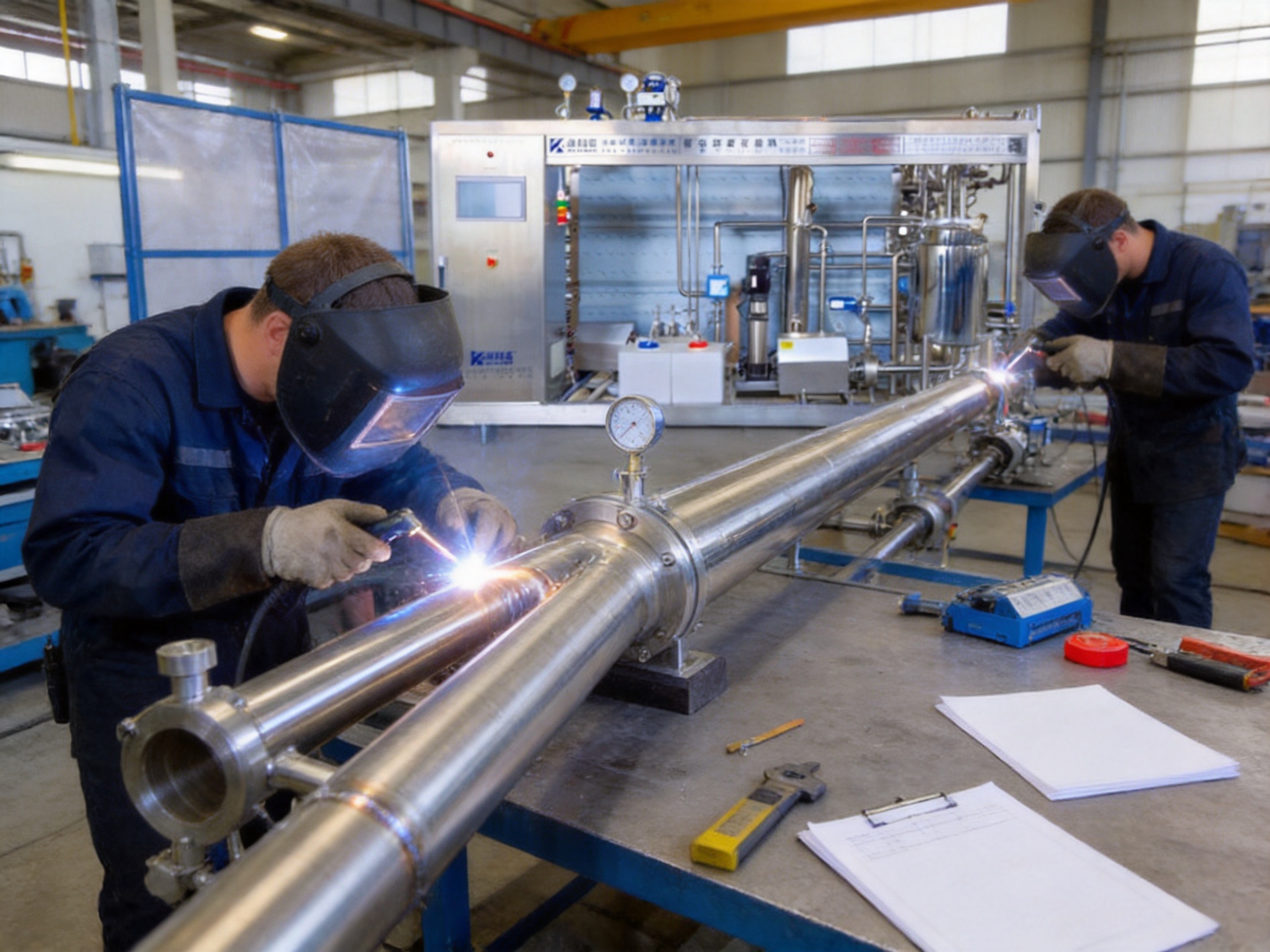
Shiloc (Shanghai) Industrial Trading Co., Ltd. operates a 3,000-square-meter facility in Shanghai and has more than 20 technical specialists. Its stated capabilities cover processing, welding, polishing, and quality control. These capabilities are directly relevant to the production of hygienic fluid equipment because the internal product-contact surfaces require careful fabrication and finishing.
European Know-How and Danish Design Concepts
The company combines European know-how with Danish design concepts. In process equipment, this design background can support a practical focus on cleanability, operator usability, compact layout, efficient utility use, and logical process integration.
Design influence is most valuable when it is translated into engineering details. These details may include accessible instrumentation, organized piping, reduced dead space, hygienic drainage, clear separation of product and utility circuits, well-planned maintenance access, and a control philosophy that operators can understand.
For international customers, the combination of local manufacturing and European-oriented design can provide a useful balance. Customers may receive equipment tailored to their local plant conditions while benefiting from established hygienic and process engineering principles.
Processing and Fabrication
Equipment fabrication begins with an approved design, material specification, component list, and production plan. Product-contact materials should be selected for corrosion resistance, thermal compatibility, cleanability, and suitability for the intended application. Stainless steel is widely used in hygienic process equipment, but the exact grade and finish should be determined by product chemistry and customer requirements.
Fabrication accuracy affects the fit-up of tubes, valves, pumps, frames, instruments, and utility connections. Proper alignment reduces stress during installation and helps prevent unnecessary vibration or loading on connected equipment. Organized fabrication also supports faster commissioning and easier future maintenance.
Welding Quality
Welded joints in product-contact piping and heat exchanger assemblies require particular attention. Poor welds can create crevices, rough areas, corrosion sites, or locations where product residues accumulate. These defects may compromise cleanability and increase contamination risk.
Quality welding involves suitable procedures, qualified personnel, correct shielding, proper heat control, appropriate joint preparation, and inspection. Depending on the customer specification and application, inspection may include visual examination, dimensional checks, boroscopy, dye penetrant testing, radiographic testing, or other methods.
For hygienic equipment, weld documentation can support traceability and quality review. The required documentation should be agreed before manufacture, especially for biopharmaceutical projects or regulated production environments.
Polishing and Surface Finishing
Internal surface finish influences cleaning effectiveness. Smooth, properly finished surfaces reduce opportunities for product residues and microorganisms to remain attached. Polishing must be applied consistently and should not create excessive local distortion or reduce the integrity of the material.
The appropriate surface finish depends on the product, cleaning chemistry, regulatory requirements, and customer standards. Surface finish verification may be included in factory acceptance or quality documentation when required.
Quality Control and Traceability
Quality control should continue throughout the project rather than being limited to the final inspection. Incoming material checks, component verification, welding records, dimensional inspection, pressure testing, instrument calibration, software checks, and functional testing can all contribute to reliable delivery.
Traceability is particularly important when a system contains many valves, sensors, pumps, gaskets, control components, and custom-fabricated parts. Clear tagging and documentation make it easier to identify each component, maintain the equipment, replace parts, and investigate any future issue.
Shiloc emphasizes reliable supply, traceability, safe and efficient equipment, and personalized customer service. These principles are valuable to manufacturers that need a process system aligned with internal quality procedures and customer audits.
Customization for Different Industries
Food and Beverage Applications
Food and beverage manufacturers often require systems that can process several products on the same line. A beverage plant may handle dairy drinks, plant-based beverages, flavored liquids, juice products, or nutritional formulations. Each product can have a different viscosity, acidity, solids content, heat sensitivity, and cleaning requirement.
A flexible system may include multiple recipes, adjustable flow rates, product-specific temperature profiles, different cleaning sequences, and compatible connection points for upstream preparation and downstream filling. The equipment must also support rapid changeover while limiting product mixing and cleaning water consumption.
Product quality is a major consideration. A thermal process that delivers microbiological control but damages flavor or texture may not be commercially acceptable. Heat-transfer surfaces, residence time, regeneration, cooling rate, and pump selection should therefore be considered together.
Dairy and Plant-Based Products
Dairy products can be sensitive to protein denaturation, fouling, and mineral deposits. Plant-based beverages may contain proteins, oils, fibers, stabilizers, and emulsified ingredients that respond differently to heat. These products may require careful control of preheating, homogenization, temperature rise, and cooling.
A tubular system can be configured around the product’s rheology and fouling behavior. Larger tube passages, suitable flow velocity, controlled heat flux, and an appropriate CIP program may help reduce deposits. The final design should be based on product trials or reliable process data.
Juices and Acidic Beverages
Juices and acidic beverages may require treatment conditions designed to preserve fresh flavor and color while achieving the desired microbial reduction. Some products contain pulp, fibers, or particulates that affect flow and heat transfer.
For these applications, the system should be evaluated for particle passage, shear sensitivity, air management, foaming, and cleaning. Deaeration or specialized pumping may be considered where oxygen exposure affects product quality.
Soups, Sauces, and Nutritional Liquids
Soups, sauces, and nutritional products often have higher viscosity than ordinary beverages. Some may include particulates, emulsions, starches, proteins, or heat-sensitive ingredients. Tubular equipment can be adapted for suitable products through selection of tube diameter, pump type, flow rate, heat-transfer area, and cleaning velocity.
High-viscosity products may require additional attention to pressure drop and start-up behavior. If the product changes viscosity significantly with temperature, the heating profile must be designed to prevent unstable flow or excessive pressure.
Biopharmaceutical and Life-Science Applications
Biopharmaceutical manufacturing requires a high level of control over material compatibility, hygienic design, documentation, and cleaning. Suitable applications for thermal systems may include selected buffers, process liquids, media, and other water-based solutions that are compatible with heat treatment.
Not every biopharmaceutical product can tolerate UHT conditions. Biological activity, formulation stability, protein structure, and active ingredients must be evaluated before selecting a thermal process. Where the product is heat-sensitive, other sterilization or aseptic processing methods may be more appropriate.
When a tubular system is suitable, design discussions may include sanitary piping, drainability, low-hold-up design, controlled pressure boundaries, validated cleaning, calibration records, data integrity, and documentation packages. The equipment should be developed in cooperation with the customer’s process, quality, validation, and engineering teams.
Cleaning-in-Place and Hygienic Operation
Cleaning-in-place is essential for a continuous thermal processing system. Product residues can accumulate on heat-transfer surfaces, valves, pumps, and holding tubes. If deposits remain, they may reduce heat-transfer efficiency, increase pressure drop, create microbiological risks, and shorten production time between cleaning cycles.
Typical CIP Sequence
A typical cleaning sequence begins with a pre-rinse using water to remove loose product. An alkaline cleaning phase then dissolves or removes organic residues such as fats, proteins, and carbohydrates. An intermediate rinse removes detergent residues. Acid cleaning may be used to address mineral deposits, depending on the product and water chemistry. A final rinse removes remaining chemicals, followed by sanitization when required.
The sequence should be based on actual process soils. Cleaning concentration, temperature, flow velocity, contact time, and return conductivity should be controlled and recorded. A stronger chemical concentration is not always better; excessive chemistry can damage materials, increase operating costs, and create additional rinsing requirements.
Flow Velocity and Coverage
Effective CIP requires adequate flow through the entire product circuit. Low-flow areas may not receive sufficient mechanical cleaning action. Piping layout, valve position, heat exchanger geometry, pump capacity, and return-line design must all be considered.
Spray devices and tank cleaning systems may be required for balance tanks or other vessels. The cleaning system should also address instrument ports, sample valves, gasket interfaces, and any branch lines that could retain product.
Drainability and Hygienic Layout
A hygienic system should be designed to drain as completely as practical. Poorly sloped piping, trapped sections, unnecessary vertical loops, and unsuitable valve placement can leave residual product or cleaning solution inside the system.
Drainability improves sanitation, reduces chemical carryover, and can shorten the time needed to prepare the equipment for the next production run. It also supports maintenance because technicians can isolate, empty, and inspect parts of the system more safely.
Process Control, Safety, and Validation
Thermal processing must be controlled through defined critical parameters. These may include product temperature, holding time, product flow, pressure, utility temperature, cooling temperature, and valve status. The customer’s process authority or quality organization should define the acceptable operating range and required records.
Safety functions should be designed so that a loss of power, instrument signal, compressed air, heating medium, or cooling medium does not create an uncontrolled product condition. Fail-safe valve positions, emergency stops, pressure protection, and alarm handling should be tested before production approval.
Factory Acceptance Testing
Factory acceptance testing provides an opportunity to confirm that the system has been assembled and programmed according to the approved design. Testing may include component verification, instrument checks, control-panel inspection, valve sequencing, pump operation, alarm testing, product diversion logic, CIP simulation, and data-recording verification.
For larger systems, the customer may review drawings, manuals, material certificates, welding records, calibration certificates, and software documentation before shipment. The exact scope depends on the project and industry.
Site Acceptance and Commissioning
After installation, the system must be connected to product, utilities, drainage, control networks, and downstream equipment. Commissioning confirms that the installed system performs as intended under actual plant conditions.
Commissioning may include water trials, utility checks, calibration confirmation, control-loop tuning, product trials, thermal mapping, flow verification, and cleaning tests. Operators should receive training in start-up, production, changeover, shutdown, cleaning, alarm response, and basic troubleshooting.
Process Validation
Validation demonstrates that the selected process consistently achieves the intended result. For thermal processing, validation may include confirmation of temperature distribution, flow conditions, residence time, product diversion, instrument accuracy, and microbiological performance.
Validation requirements differ by product and jurisdiction. A responsible equipment supplier can provide technical information and testing support, but the final process acceptance remains a shared responsibility among the equipment supplier, manufacturer, quality team, and process authority.
Comparison with Alternative Technologies
Tubular Versus Plate Heat Exchangers
Plate heat exchangers can offer compact layouts and high heat-transfer efficiency for suitable low-viscosity products. Tubular heat exchangers may provide advantages when the product contains fibers, particles, higher viscosity, or ingredients that could create flow restrictions in narrow plate channels.
The choice should be based on actual product properties rather than general assumptions. Plate systems may be excellent for certain beverages and dairy products, while tubular systems may be more appropriate for other formulations. A supplier with broad process expertise should evaluate both the product and the desired operating strategy.
Tubular Versus Batch Retorts or Vessels
Batch systems can process many different products in relatively small lots and may be appropriate where flexibility is more important than throughput. However, they may require longer heating and cooling cycles, more manual handling, and larger working volumes.
A continuous tubular system is generally better suited to steady production, automated filling, and high or medium throughput. It can reduce the amount of product held in the process and provide more direct control over the thermal profile.
UHT Versus Conventional Pasteurization
Conventional pasteurization uses milder temperatures and is often combined with refrigerated distribution. UHT processing uses a more intense, shorter treatment and may support extended shelf life when combined with suitable aseptic packaging and controlled handling.
The choice depends on the product, packaging, distribution model, market expectations, and regulatory requirements. UHT is not automatically the best choice for every product. It becomes valuable when the manufacturer needs extended stability, reduced dependence on cold distribution, or a particular commercial shelf-life target.
Why Choose a Customized Equipment Partner?
Process equipment is most effective when it is designed around the customer’s actual production conditions. A standard machine may appear economical, but if it does not match the product, utilities, layout, cleaning system, or filling line, the customer may face modifications and operating limitations later.
Shiloc provides process systems and equipment for food and beverage and biopharmaceutical manufacturers, with services that include equipment manufacturing, engineering and technical support, import and export solutions, and equipment integration. Its broader product expertise includes heat exchangers and aseptic mixing equipment, which can support the development of connected process lines rather than isolated machines.
The company’s Shanghai location provides a manufacturing base for customers that require equipment supply from China. At the same time, its international trading and engineering capabilities can support cross-border procurement, technical communication, documentation coordination, and project delivery.
Application-Based Consultation
A suitable project normally begins with collection of product and process information. Important data includes product composition, viscosity, density, particle size, flow rate, inlet temperature, target outlet temperature, required treatment, operating hours, cleaning chemicals, available utilities, filling method, and applicable standards.
The supplier can then develop a process concept, equipment list, preliminary heat balance, piping and instrumentation concept, control philosophy, and layout proposal. This approach reduces the risk of selecting equipment based only on nominal capacity.
Engineering Integration
A UHT tube pasteurizer often connects to preparation tanks, mixers, homogenizers, sterilizers, filling machines, CIP skids, and utility systems. Integration requires coordination of pipe sizes, connection standards, control signals, pressure conditions, product routing, and cleaning sequences.
Strong engineering integration helps prevent bottlenecks. For example, the pasteurizer capacity should align with filling speed, tank working volume, CIP return capacity, and utility availability. A process system that is individually well designed may still perform poorly if connected systems are not coordinated.
Long-Term Service Value
Equipment value continues after delivery. Technical documents, spare-parts lists, maintenance schedules, calibration recommendations, troubleshooting guidance, and operator training all affect long-term performance.
A supplier that emphasizes personalized customer service can help the manufacturer adapt the system as products, capacity requirements, or regulations change. Future modifications may include additional recipes, upgraded automation, new instrumentation, expanded heat-transfer area, or improved data collection.
Recommended Selection Checklist
Manufacturers evaluating an Ultra-High Temperature Tube Pasteurizer should begin with the product rather than the machine name. The following questions help define the appropriate system:
What is the product composition and viscosity at processing temperature?
Does the product contain particles, fibers, proteins, fats, starches, or emulsified ingredients?
What thermal treatment is required, and what product quality limits must be protected?
What flow rate and annual production volume are required?
Will the system process one product or multiple products?
What filling or packaging system will receive the treated product?
Is aseptic operation required, or will the product be filled under refrigerated or conventional hygienic conditions?
What cleaning chemicals, temperatures, flow rates, and cycle times are available?
What utilities are available for heating, cooling, compressed air, electricity, and water?
What level of automation, data recording, remote access, or factory integration is required?
Which standards, customer specifications, validation procedures, and documentation packages apply?
How will product recovery, start-up, shutdown, product changeover, and waste handling be managed?
These questions help transform a general equipment inquiry into a practical process specification. The final design should be reviewed by production, quality, maintenance, engineering, and purchasing personnel before approval.
Maintenance and Operating Reliability
Preventive maintenance helps preserve thermal performance, hygiene, and process accuracy. Temperature sensors should be calibrated at defined intervals. Flow meters, pressure instruments, control valves, pumps, seals, gaskets, and safety devices should be inspected according to the operating environment.
Heat-transfer performance can decline if fouling accumulates. Operators should monitor pressure drop, heating-medium demand, outlet temperature stability, and cleaning results. A gradual increase in pressure or longer heating response may indicate deposits, flow restriction, instrument drift, or utility problems.
Replacement parts should be selected according to the original design and hygienic requirements. Gaskets and elastomers must be compatible with product temperatures, cleaning chemicals, and sanitization conditions. Incorrect materials can swell, crack, shed particles, or create leakage.
Maintenance should be supported by clear equipment drawings, valve lists, instrument lists, spare-parts recommendations, and accessible component locations. A well-organized frame and piping layout can reduce service time and improve technician safety.
Conclusion
The Ultra-High Temperature Tube Pasteurizer is a complete thermal processing solution for manufacturers that require controlled heating, defined holding time, rapid cooling, hygienic operation, and reliable integration with modern production lines. Its tubular design can be adapted to many liquid products, including beverages, dairy products, plant-based formulations, juices, sauces, soups, nutritional liquids, and selected biopharmaceutical process fluids.
Its advantages over less integrated alternatives include continuous operation, controlled thermal exposure, energy recovery, automatic product diversion, cleanable product paths, flexible recipe management, and improved process traceability. The real performance of the system, however, depends on proper engineering. Product properties, heat-transfer requirements, flow behavior, cleaning conditions, utilities, packaging, and validation must all be considered together.
Manufacturing capability is equally important. Hygienic welding, controlled polishing, accurate fabrication, suitable material selection, inspection, documentation, and final testing determine whether the equipment will remain reliable after installation. Shiloc (Shanghai) Industrial Trading Co., Ltd. combines a Shanghai manufacturing facility, more than 20 technical specialists, European know-how, Danish design concepts, and capabilities in processing, welding, polishing, and quality control. These strengths support its focus on safe, efficient, traceable, and customized process equipment.
For food, beverage, and biopharmaceutical manufacturers, the best UHT system is not simply the one with the highest nominal capacity. It is the system that delivers the required process result while protecting product quality, reducing unnecessary energy use, supporting hygienic production, and remaining practical to operate and maintain. A carefully engineered Ultra-High Temperature Tube Pasteurizer can become a dependable foundation for efficient, scalable, and quality-focused liquid processing.
Questions and Answers
What is the main purpose of a UHT tube pasteurizer?
Its main purpose is to heat a liquid product to a controlled high temperature for a defined short period, then cool it rapidly. The process is intended to achieve the required microbial reduction or thermal treatment while limiting unnecessary damage to product quality.
Which products can be processed in a tubular UHT system?
Potential products include dairy beverages, plant-based drinks, juices, nutritional liquids, sauces, soups, syrups, and other compatible liquid formulations. Selected biopharmaceutical buffers, media, and process solutions may also be considered when the product is thermally stable and the system meets applicable hygienic and validation requirements.
Is a tubular system suitable for viscous products?
It can be suitable for many viscous products, but the equipment must be specifically designed for the product’s viscosity, flow behavior, particle content, pressure drop, and fouling characteristics. Pump selection, tube diameter, heat-transfer area, and cleaning conditions are especially important.
How does regeneration reduce energy consumption?
Regeneration transfers heat from the treated hot product to the incoming cold product. This reduces the external heating duty and can also reduce the cooling duty after treatment. The actual energy savings depend on the temperature program, product properties, flow arrangement, and system design.
Why is the holding tube important?
The holding tube provides the required residence time at the treatment temperature. Its dimensions and operating flow rate must be carefully calculated and verified because a change in residence time can affect the safety and quality of the process.
What happens if the process temperature falls below the approved value?
An automated control system can activate product diversion so that potentially underprocessed product does not proceed to the finished product line. The affected product may be returned for reprocessing or handled according to the manufacturer’s quality procedure.
How is the system cleaned?
The system is normally cleaned through a cleaning-in-place sequence. This may include pre-rinsing, alkaline cleaning, intermediate rinsing, acid cleaning where required, final rinsing, and sanitization. The exact process depends on the product residues, materials, cleaning chemicals, and validation requirements.
Can the equipment process multiple products?
Many systems can be configured for multiple products through recipe management, suitable flow control, product recovery, and product-specific cleaning programs. The number of products and the required flexibility should be defined during the design stage.
What information is needed for a quotation?
Useful information includes product type, composition, viscosity, density, particle size, flow rate, inlet and outlet temperatures, required process treatment, operating schedule, filling method, utilities, cleaning chemicals, installation conditions, applicable standards, and documentation requirements.
What manufacturing capabilities support equipment quality?
Important capabilities include accurate processing, hygienic welding, controlled polishing, component inspection, pressure testing, instrument calibration, automation testing, and final quality control. Traceable records and appropriate documentation further support project acceptance and long-term maintenance.
Can a UHT tube pasteurizer be used in biopharmaceutical manufacturing?
It may be used for suitable heat-compatible liquids such as selected buffers, media, or process solutions. However, many biopharmaceutical products are heat-sensitive. The proposed process must be reviewed by the customer’s process and quality teams, and the equipment must meet the required hygienic, validation, documentation, and regulatory expectations.
What is the difference between pasteurization and UHT treatment?
Pasteurization generally uses lower temperatures and may require refrigerated distribution, while UHT treatment uses a higher temperature for a shorter time and may support extended shelf life when combined with suitable packaging and hygienic controls. The correct process depends on the product and commercial objective.
References
Codex Alimentarius Commission. General Principles of Food Hygiene and Hygienic Practice Guidance.
International Dairy Federation. Principles of Heat Treatment and Hygienic Processing for Liquid Dairy Products.
European Hygienic Engineering and Design Group. Hygienic Design Principles for Food Processing Equipment.
U.S. Food and Drug Administration. Good Manufacturing Practice and Preventive Control Principles for Food Processing.
3-A Sanitary Standards. Sanitary Design and Fabrication Principles for Dairy and Food Equipment.
International Society for Pharmaceutical Engineering. Good Practice Guidance for Hygienic and Pharmaceutical Process Equipment.
ASHRAE Handbook. Heat Transfer, Thermal Processing, and Industrial Refrigeration Principles.
Perry’s Chemical Engineers’ Handbook. Heat Exchanger Design and Process Engineering Fundamentals.
Food and Agriculture Organization. Food Processing, Thermal Treatment, and Food Safety Guidance.
Product: Ultra-High Temperature Tube Pasteurizer (UHT)
PREV:Precision Temperature Control Units for Food and Biopharmaceutical Process Manufacturers
NEXT:Sanitary DTS Heat Exchangers for Safer Food and Biopharmaceutical Processing
NEXT:Sanitary DTS Heat Exchangers for Safer Food and Biopharmaceutical Processing
Interested in cooperation or have questions?
Recommended LINS
✦
Food and Beverage Process System
Food Processing Skid System
CIP Skid System for Food Industry
food and beverage process skid system
hygienic process skid for food industry
CIP process skid system for food industry
automated process skid system for food processing
modular food processing skid system
beverage processing skid system
food processing equipment skid system
Let'S Work Together Welcome Aboard!
-

haikexin@haikexin.com
+8613391278930
-
 +86-21-57560276
 -
 No. 2819, Sihu Road,Fengxian District, Shanghai, China
Join Our Mailing List
Copyright © Shiloc (Shanghai) Industrial Trading Co., Ltd. All Rights Reserved.
Process Systems & Equipment For Food & Biopharma Manufacturers
